A school lunch has to do more than look appealing. It needs to fit the morning schedule, travel without leaking, stay at a safe temperature, and be manageable during a short lunch period. The 25 back-to-school lunches below include wraps, snack boxes, cold pasta salads, thermos meals, and breakfast-style options.
Start with foods your child already recognizes, then adjust the portions and sides to match their appetite and school routine. The packing notes will help you decide what belongs in an insulated cold bag, what works in a preheated food container, and what should stay separate for better texture.
Quick Answer: What Are Easy Back-to-School Lunches?
Easy back-to-school lunches include turkey or chicken wraps, pinwheels, cheese-and-cracker boxes, hummus-and-pita boxes, cold pasta salads, muffin or pancake lunches, and properly packed thermos meals. Choose a style based on whether the food will be eaten cold or hot and whether your child can open the container independently. For lunches containing perishable food, use an insulated bag with at least two cold sources.
Back-to-School Lunches at a Glance
| Lunch Style | Example | Packing Requirement | Useful When |
|---|---|---|---|
| Wraps and pinwheels | Turkey avocado wrap | Insulated bag and at least two cold sources | You need a familiar handheld main |
| Snack-style boxes | Hummus and pita dippers | Seal dips and separate them from dry foods | Several small components work better than one large main |
| Cold salads and bowls | Grilled chicken pasta salad | Chill thoroughly and transport with two cold sources | You can prepare the main component ahead |
| Warm thermos meals | Chicken fried rice | Preheat the container and add piping-hot food | A warm lunch is preferred |
| Breakfast-style lunches | Banana pancakes with simple sides | Keep perishable sides cold | You want an alternative to sandwiches |
How to Build a Practical School Lunch
You do not need a complicated formula or a different menu every day. Begin with one familiar main item, then add a fruit or vegetable your child accepts, an easy side, and an optional dip or small extra. Add water or another beverage permitted by the school.
Portions depend on age, appetite, lunch duration, and the individual child. Instead of guessing, notice what returns home and adjust the next serving. These small checks can make the routine easier:
- Confirm that your child can open every container without help.
- Leave enough space for lids to close securely.
- Keep wet fillings, dressings, and dips away from foods meant to stay crisp.
- Choose foods that can be eaten within the available lunch period.
- Check current school rules for food, containers, and allergens.
- Read labels for the needs of your child rather than assuming a food is suitable for every classroom.
Any cold idea below that contains cooked poultry, eggs, yogurt, cheese, hummus, cooked grains, pasta salad, or cut produce should be treated as perishable. Keep it refrigerated until departure, then use an insulated lunch bag with at least two cold sources.
25 Easy Back-to-School Lunches
Use these combinations as starting points. Open a linked recipe when you need measured ingredients and complete preparation instructions.
Wraps, Pinwheels, and Mini Sandwiches
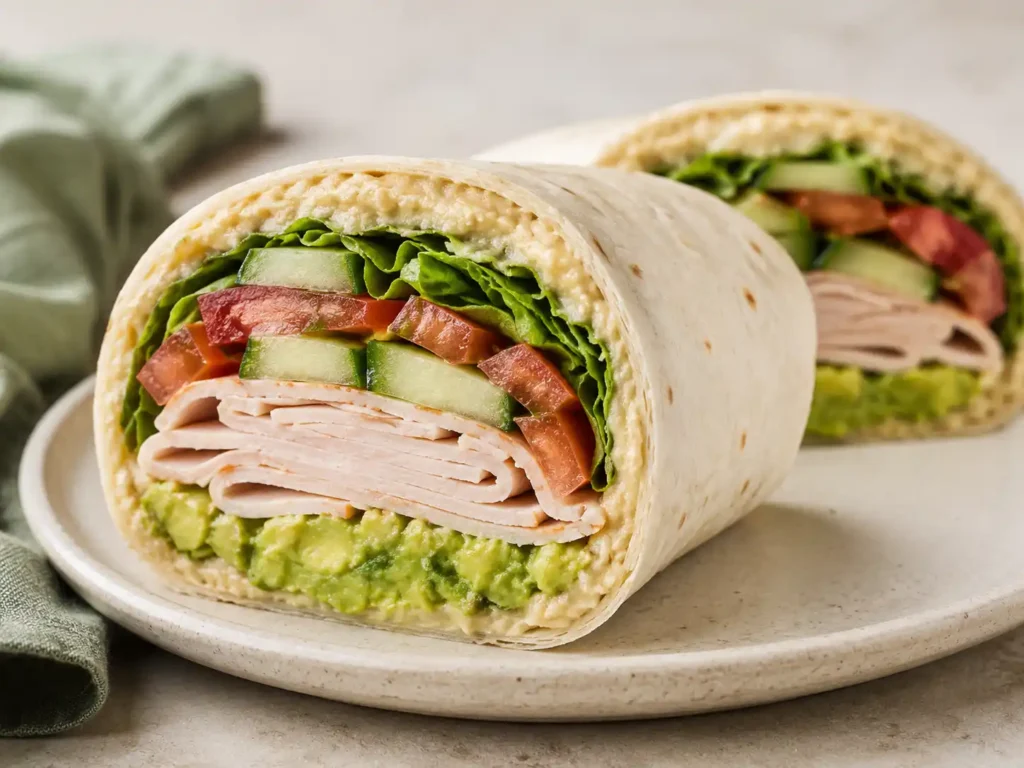
1. Turkey Avocado Wrap
Use the measured turkey avocado wraps recipe for a tortilla layered with hummus, avocado, sliced turkey, cucumber, tomato, and greens. For a packed lunch, pat the tomato dry and keep the wrap whole or cut it only once so the filling has fewer exposed edges.
Packing note: Wrap it snugly and keep it cold with at least two cold sources.
2. Chicken Pinwheels
The chicken pinwheels recipe turns cooked chicken and a creamy filling into tortilla spirals. The small rounds fit neatly beside fruit or vegetables without requiring a full-size sandwich compartment.
Packing note: Chill the rolled pinwheels before packing and transport them cold.
3. Turkey and Cheese Pinwheels
Layer sliced turkey and cheese in a soft tortilla, roll it firmly, and slice it into rounds. Keep the filling modest so the spiral stays closed and the tortilla does not split.
Packing note: Place the pinwheels in a single layer when possible and keep them cold.
4. Cucumber Cream Cheese Mini Sandwiches
Follow the cucumber cream cheese sandwiches recipe for its moisture-control method. Thin, well-dried cucumber and a light barrier between the cucumber and bread help the sandwiches keep a neater texture.
Packing note: Assemble with dry cucumber slices, seal the container, and keep the sandwiches cold.
5. Hummus and Crunchy Vegetable Wrap
Spread hummus over a tortilla and add thin cucumber, carrot, or bell pepper pieces. Avoid overfilling, especially if the wrap needs to fit a smaller lunch container.
Packing note: Hummus commonly contains sesame. Check the ingredient label against your child’s needs and the school’s current policy, then keep the wrap cold.
Snack-Style and Bento Lunches
6. Turkey and Cheese Cracker Stacker Box
Pack sliced turkey and cheese in one section and crackers in another so your child can assemble small stacks at lunch. Add a familiar fruit or vegetable if space allows.
Packing note: Keep crackers away from the chilled ingredients and place the complete box in an insulated bag with two cold sources.
7. Hummus and Pita Dipper Box
Use a small sealed cup of hummus with pita wedges and familiar produce for dipping. Choose pieces that fit the container and are manageable for your child.
Packing note: Test the dip cup at home before using it in a backpack. Keep the full box cold and check the hummus label for allergens.
8. Hard-Cooked Egg and Mini Bagel Box
Pair a peeled hard-cooked egg with a mini bagel and one or two simple sides. Pack the egg whole or prepare it in a form appropriate for your child.
Packing note: Eggs are perishable. Refrigerate the box until departure and use an insulated bag with two cold sources.
9. Greek Yogurt Muffin Lunch Box
Build this lunch around one of the Greek yogurt muffins, then add familiar fruit, cucumber, or cheese. Use a version of the recipe that matches the child’s needs and school policy.
Packing note: Keep cheese, yogurt, cut produce, and other perishable sides properly chilled.
10. Quinoa and Chickpea Snack Box
Combine chilled cooked quinoa and chickpeas with simple vegetables in a compartment container. A small sealed cup can hold dressing if your child prefers to add it at lunchtime.
Packing note: Cool cooked quinoa promptly in the refrigerator and keep the assembled lunch cold.
If the compartment format works well for your routine, explore these bento box meal ideas for additional ways to combine familiar components.
Cold School Lunches That Are Not Sandwiches
11. Grilled Chicken Pasta Salad
Use the complete pasta salad with grilled chicken recipe for measured ingredients and its lemon-herb dressing. Portion only what your child is likely to eat and use a container that seals securely.
Packing note: Chill the salad thoroughly before packing and transport it with two cold sources.
12. Simple Italian-Style Pasta Salad
Combine cooled pasta with familiar vegetables and a modest amount of dressing. Keep the concept simple instead of adding so many ingredients that the main flavors become unfamiliar.
Packing note: Drain vegetables well and keep the salad at 40°F or below.
13. Cucumber Tomato Pasta Salad
Cucumber and tomato bring fresh texture to cold pasta, but both can release water after packing. Remove excess tomato seeds if needed, drain the vegetables, and add only enough dressing to coat the pasta.
Packing note: Use a leak-resistant container and keep the salad cold.
14. Mediterranean Chickpea Salad
Start with chickpeas, cucumber, tomato, and a simple dressing. If the salad includes cheese or other additions, confirm that they match your child’s preferences and school requirements.
Packing note: A separate dressing cup can help the vegetables retain their texture. Keep the salad chilled.
15. Chicken Taco Salad Box
Arrange cooked chicken, lettuce, and familiar taco-style toppings in separate sections. Keeping each component apart lets the child combine only what they want at lunchtime.
Packing note: Chill the cooked chicken and pack dressing and crunchy toppings separately.
Warm Thermos Lunches
Use an insulated food container intended for hot food and follow its directions. Shortly before packing, fill it with boiling water and let it stand for a few minutes. Empty the water, add piping-hot food, and close the container immediately. USDA guidance says hot food should remain at 140°F or above. If you are using refrigerated leftovers, reheat them to 165°F before transferring them to the preheated container.
16. Chicken Fried Rice Thermos
Prepare the chicken fried rice according to its measured recipe. For a school lunch, reheat refrigerated fried rice to 165°F, then spoon it piping hot into the preheated insulated container.
Packing note: Close the container immediately and tell your child to keep it closed until lunch.
17. Chicken and Rice Thermos
Chicken and rice can make a compact warm lunch when the complete dish has been prepared and handled safely. Add it to the thermos only after it is piping hot throughout.
Packing note: Reheat refrigerated leftovers to 165°F before packing. Do not place lukewarm chicken and rice in the thermos.
18. Creamy Potato Soup Thermos
A smooth or lightly chunky potato soup is easier to spoon from a food container than a soup with oversized pieces. Leave enough room to close the lid without forcing it.
Packing note: Heat the soup thoroughly, transfer it to the preheated container, and seal it immediately.
19. Butternut Squash Soup Thermos
A blended butternut squash soup offers another warm, spoonable option. Confirm that your child can operate the lid and pack the spoon separately.
Packing note: Use a securely closed insulated food container and keep it closed until lunch.
20. Warm Chicken Pasta Thermos
Choose a fully cooked chicken pasta that can be reheated evenly. Sauce texture may change during holding, so avoid assuming every pasta dish will pack the same way.
Packing note: Reheat refrigerated chicken pasta to 165°F, pack it piping hot, and close the preheated container immediately.
Breakfast-Style and Backup School Lunches
21. Banana Pancake Lunch
Pack cooled banana pancakes with a familiar fruit or vegetable and a simple side. A small sealed cup can hold a spread or dip if it is permitted by the school.
Packing note: Keep yogurt, cheese, eggs, cut fruit, and other perishable sides cold.
22. Greek Yogurt Pancake Strips
Cut cooled Greek yogurt pancakes into strips if that shape is easier for your child to handle. Pack any wet topping in a separate, tested container.
Packing note: Refrigerate the lunch until departure and use two cold sources for perishable components.
23. Three-Ingredient Banana Muffin Box
Use the 3-ingredient banana muffins recipe as the main component and add one or two familiar sides. Check the complete recipe and labels before deciding whether it fits your child’s needs.
Packing note: Keep any perishable sides cold and away from the muffin so its surface stays dry.
24. Yogurt, Berry, and Granola Cup
Pack yogurt and berries in a tightly sealed container, with granola in a separate dry compartment. The child can add the crunchy component immediately before eating.
Packing note: Keep yogurt and cut fruit at 40°F or below. Check every label against school rules and known allergens.
25. Cheese Quesadilla Wedges
Cut a cooked cheese quesadilla into wedges and add a small, securely sealed salsa cup only if your child can open and close it. Quesadillas may be packed cold or hot, but the temperature method must be clear.
Packing note: For a cold lunch, chill the quesadilla and use an insulated bag with two cold sources. For a hot lunch, reheat refrigerated wedges to 165°F and pack them piping hot in a preheated insulated food container.
A Five-Day Back-to-School Lunch Plan
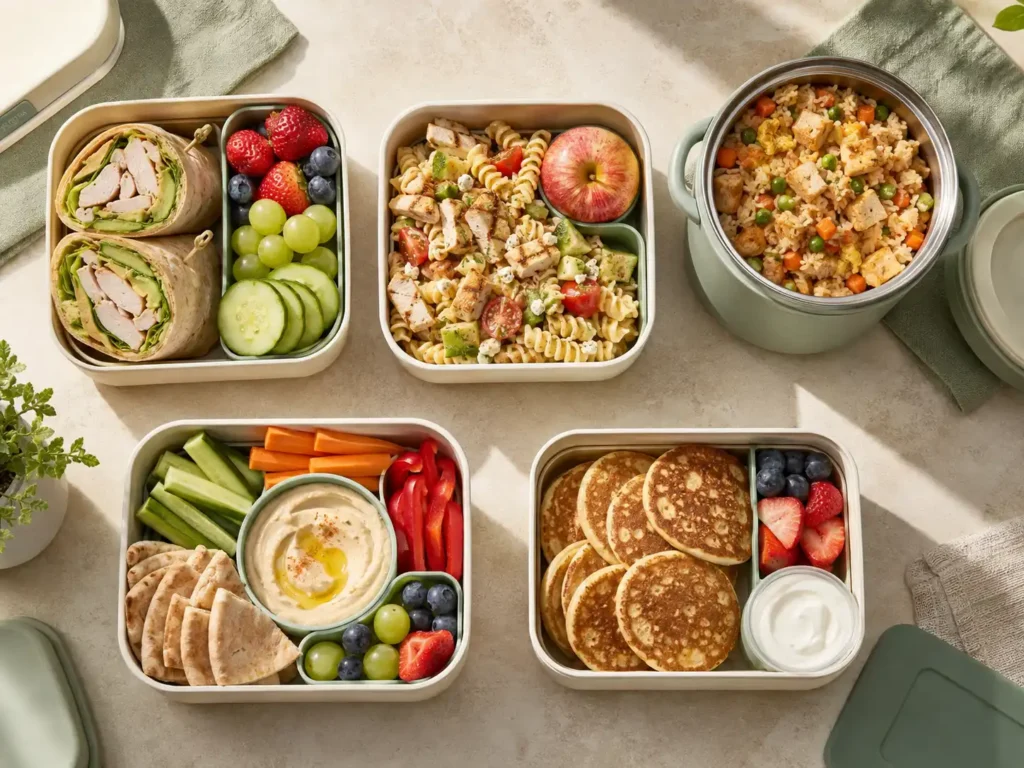
This sample rotation is a planning example, not a nutrition plan. Change the portions and sides to fit your child and the school’s requirements.
| Day | Main Lunch | Simple Side | Packing Note |
|---|---|---|---|
| Monday | Turkey avocado wrap | Familiar fruit or cucumber | Insulated bag with two cold sources |
| Tuesday | Grilled chicken pasta salad | Whole fruit | Chill thoroughly before packing |
| Wednesday | Chicken fried rice | Whole fruit if wanted | Reheat leftovers to 165°F and use a preheated container |
| Thursday | Hummus and pita dipper box | Familiar vegetables and fruit | Seal the dip and keep the box cold |
| Friday | Banana pancake lunch | Yogurt or cheese | Use two cold sources for perishable sides |
How to Keep School Lunches From Becoming Soggy
- Dry watery produce. Pat cucumber and tomato dry before adding them to bread, tortillas, or pasta.
- Create a barrier. When it fits the recipe, place dry greens or a spread between bread and wetter fillings.
- Separate dressings and dips. Add them at lunch when possible.
- Protect crunchy foods. Keep crackers, granola, and tortilla strips in a dry compartment.
- Chill cold meals before packing. A lunch bag and cold packs are for maintaining cold food, not cooling a warm dish.
- Test containers before school. Check lids with water at home and make sure your child can open them.
No single storage method works for every food. Follow the complete recipe when one is linked and adjust the final assembly to the container and serving temperature.
Back-to-School Lunch Food Safety
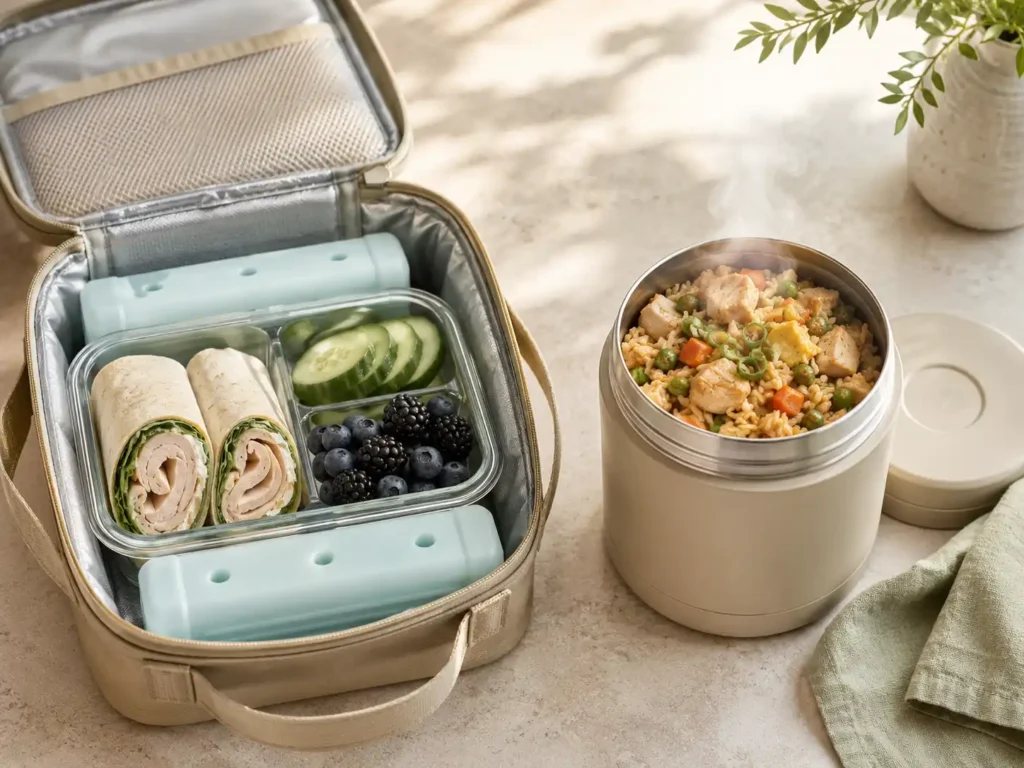
The USDA back-to-school lunch safety guidance recommends an insulated lunchbox and at least two cold sources for perishable cold foods. Place the cold sources above and below the perishable items when possible.
- Keep cold perishable food at 40°F or below.
- Keep hot food at 140°F or above.
- Preheat an insulated hot-food container with boiling water for a few minutes before adding piping-hot food.
- For refrigerated leftovers, reheat the food to 165°F before packing it hot.
- Keep the insulated hot-food container closed until lunchtime.
- Wash hands with soap and water for at least 20 seconds before preparing or packing food.
- Clean lunchboxes and reusable containers regularly.
- Discard perishable food that has remained between 40°F and 140°F for more than two hours.
The USDA Food Safety and Inspection Service provides additional details in its guide to keeping bag lunches safe.
What Can Be Prepared the Night Before?
Many components can be prepared in advance, but the correct approach depends on the food. Refrigerate perishable items overnight and assemble or pack the lunch before leaving home.
Good Tasks for the Night Before
- Bake and cool suitable muffins or pancakes according to their recipe.
- Wash produce and store it correctly.
- Prepare cooked components, divide larger amounts into shallow containers, and chill them promptly.
- Portion dry snacks into closed containers.
- Fill and seal dressing or dip cups, then refrigerate perishable dips.
Better Finished in the Morning
- Add crackers or granola to their dry compartments.
- Cut avocado or assemble fillings that brown or release moisture quickly.
- Transfer cold food from the refrigerator to the insulated bag with two frozen cold sources.
- Reheat a hot lunch and transfer it immediately to the preheated insulated container.
Do not apply one storage time to every lunch in this roundup. Follow the storage directions for each complete recipe and the package instructions for purchased ingredients.
Helpful Tools for Packing School Lunches
A few basic categories of equipment can make temperature control and cleanup more manageable:
- An insulated lunch bag that fits the complete container
- At least two reusable cold packs
- An insulated food container intended for hot meals
- A compartment container for keeping wet and dry foods separate
- Small leak-resistant cups for dips and dressings
- Reusable utensils that fit inside the lunch bag
- Washable name labels when required by the school
Choose containers your child can open and that comply with school rules. No specific product is required for the ideas in this guide.
Nutrition Note
This article is a collection of lunch ideas rather than one measured recipe, so there is no combined nutrition panel for all 25 lunches. The final values depend on quantities, brands, substitutions, sides, and serving size. A linked recipe may provide its own clearly labeled estimated nutrition based on its measured ingredients, but those figures should not be applied to a complete lunch combination unless every component and portion is included.
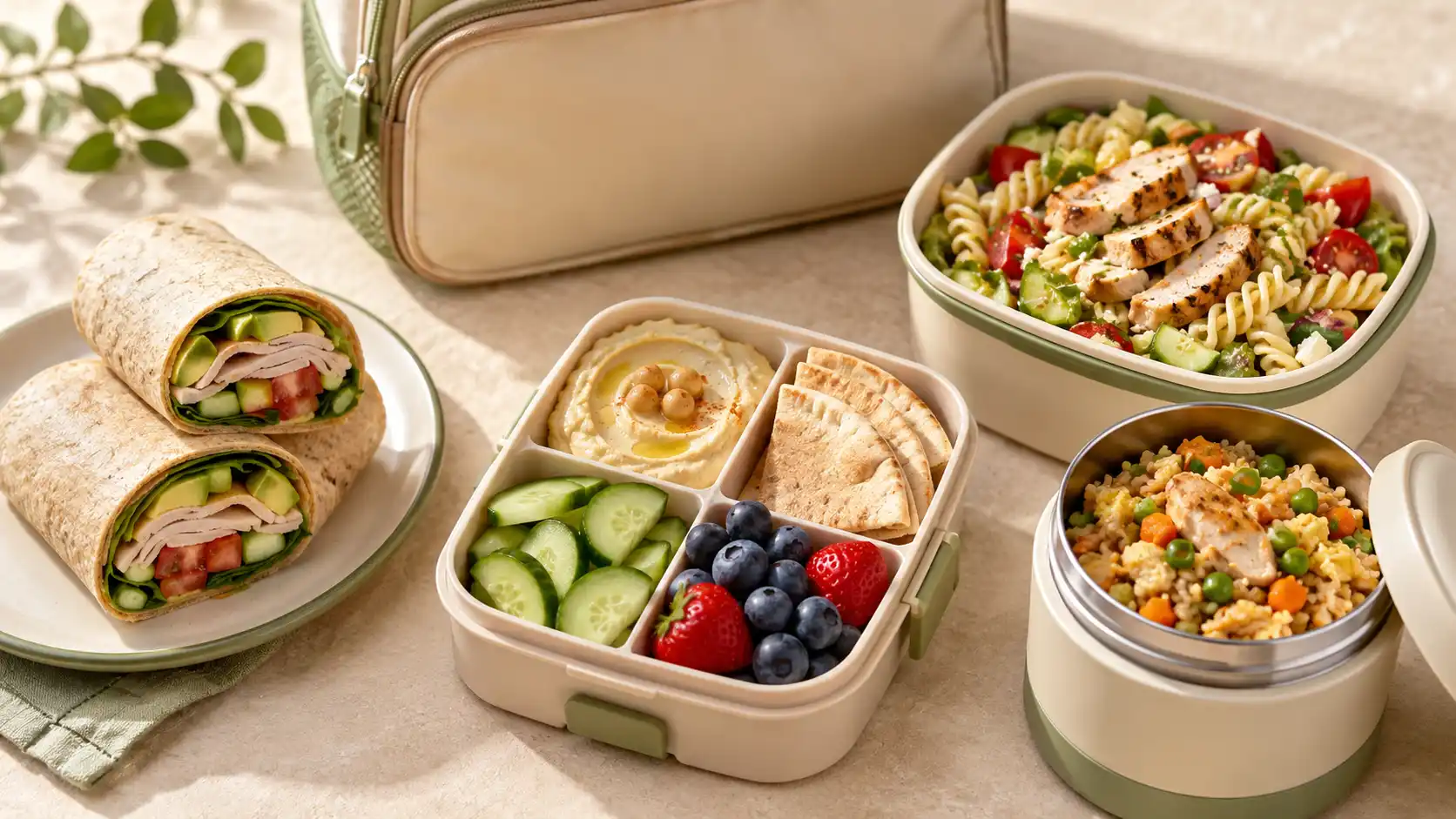
25 Easy Back-to-School Lunches for Busy Mornings
Ingredients
Equipment
Method
- Choose one familiar lunch idea, then add a fruit or vegetable, an easy side, and an optional dip or small extra. Adjust the portion to the child’s appetite and available lunch time.
- For wraps, pinwheels, and mini sandwiches, keep fillings modest, pat watery produce dry, and roll or assemble securely. Refrigerate perishable versions until departure and pack them cold.
- For snack boxes and bento lunches, separate crackers, granola, and other dry foods from chilled ingredients. Seal hummus, dressing, salsa, and other dips in leak-resistant cups.
- For cold pasta salads and bowls, cool cooked ingredients promptly, drain watery vegetables well, use only enough dressing to coat, and transport the lunch in an insulated bag with at least two cold sources.
- For thermos meals, preheat the insulated food container with boiling water for a few minutes. Empty it, add piping-hot food, and close immediately. Reheat refrigerated leftovers to 165°F (74°C) before packing.
- For breakfast-style lunches, cool pancakes or muffins before cold packing, keep yogurt, cheese, eggs, and cut fruit chilled, and pack wet toppings separately so dry foods keep their texture.
- Keep cold perishable food at 40°F (4°C) or below and hot food at 140°F (60°C) or above. Confirm that every container is easy for the child to open and check current school rules and allergen requirements.
Notes
Frequently Asked Questions
What are easy back-to-school lunches?
Practical options include wraps, pinwheels, snack-style boxes, cold pasta salads, warm thermos meals, and breakfast-style lunches. Start with a familiar main and use the correct hot or cold packing method.
What can I pack for school lunch besides sandwiches?
Try chilled pasta salad, hummus and pita dippers, a quinoa and chickpea box, pancakes with simple sides, or reheated soup, rice, or pasta packed in a preheated food container.
How do I keep a school lunch cold until lunchtime?
Keep the food refrigerated until departure, then use an insulated lunch bag with at least two frozen cold sources. Place them above and below the perishable food when possible.
What foods can go in a thermos for school lunch?
Soup, fried rice, chicken and rice, and some pasta dishes can be packed in an insulated food container. Preheat the container, add piping-hot food, and keep it closed. Reheat refrigerated leftovers to 165°F before packing.
Can school lunches be packed the night before?
Many components can be prepared or portioned the night before and refrigerated. Pack the insulated bag with frozen cold sources before departure, and reheat thermos food in the morning rather than storing it overnight in the thermos.
Choose Five Lunches for the First Week
Select one lunch for each school day, then make a short list of the containers and temperature controls each one needs. At the end of the week, use what came home to adjust portions, fillings, and sides. Save this guide for the next school-lunch reset, and join the ZikoRecipes newsletter for more practical meal ideas.