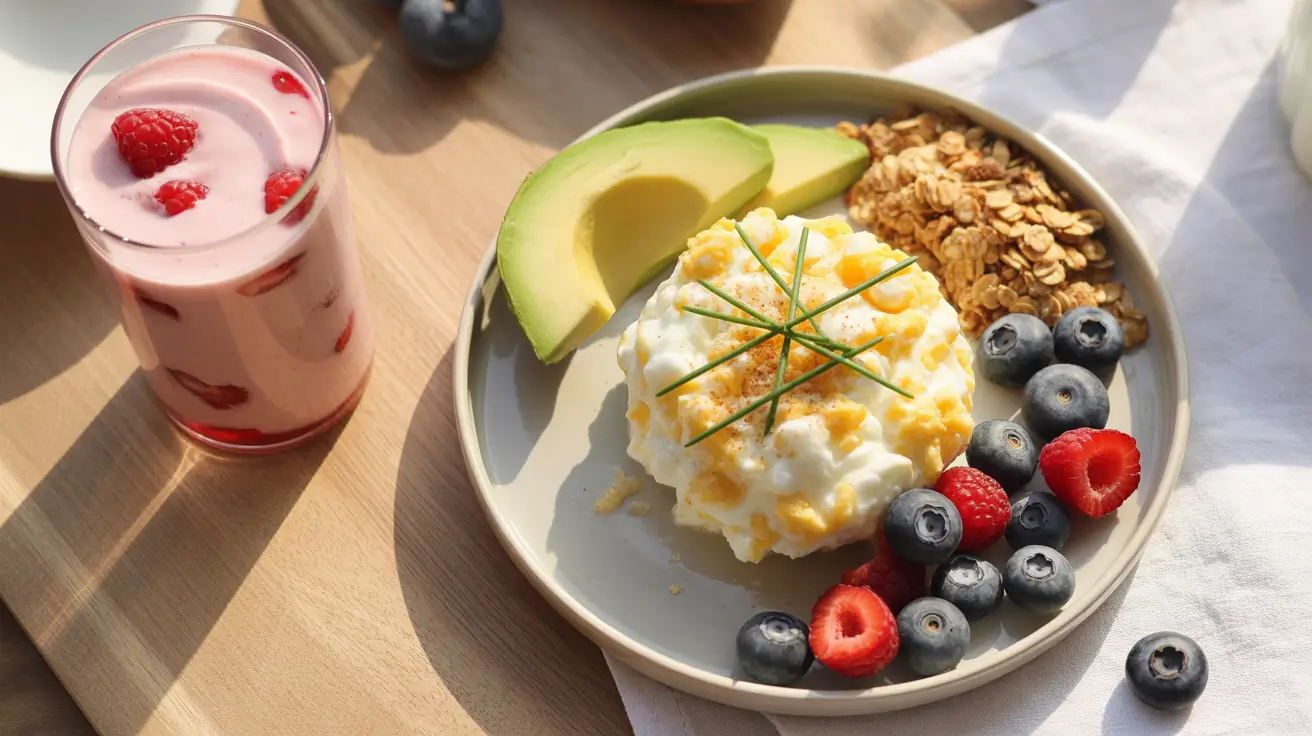
A high-protein breakfast does not need to be complicated or built around one specific ingredient. The most useful approach is to choose a breakfast you enjoy, check the serving size, and combine it with protein-rich foods that fit your routine.
This guide brings together easy sweet and savory breakfast ideas from ZikoRecipes, including no-cook options, warm recipes, baked breakfasts, and a flexible 7-day plan. It also explains how to compare protein estimates without treating one number as a universal target.
Important nutrition note: Protein totals change with serving size, brands, substitutions, toppings, and side dishes. When this guide includes a number, it reflects the currently published ZikoRecipes recipe estimate. Use the recipe card and package labels when an exact total matters to you.
What Counts as a High-Protein Breakfast?
There is no single breakfast number that is right for every person. For this guide, about 20 grams of protein per meal is used as a practical editorial target, not as a universal medical definition. Your preferred amount may be different depending on your portion, activity level, overall diet, and personal needs.
A simple way to plan breakfast is to start with one main protein source, then add another food only when the first serving does not provide the amount you want. Common breakfast protein sources include eggs, Greek yogurt, cottage cheese, milk, soy foods, nuts, seeds, and recipes made with protein powder.
Use labels and serving sizes, not guesses
- Check how many servings the recipe makes.
- Use the serving size listed in the recipe card.
- Read the nutrition label on yogurt, milk, protein powder, and other packaged ingredients.
- Count toppings and side dishes separately.
- Recalculate the meal when you change an ingredient or portion.
High-Protein Breakfast Ideas at a Glance
The table below helps you choose a recipe by style and preparation preference. Exact protein figures are repeated only where the current published recipe provides a usable estimate.
| Breakfast idea | Style | Best for | Protein note |
|---|---|---|---|
| High-Protein Overnight Oats | No-cook | Preparing breakfast in advance | Varies with milk, yogurt, toppings, and optional protein powder |
| Peanut Butter Smoothie Without Banana | No-cook | A drinkable breakfast | The published recipe estimates about 16 to 20 g per serving |
| Baked Cottage Cheese Eggs | Warm and savory | A sliceable egg breakfast | Use the current recipe card after its nutrition calculation is reviewed |
| Protein Bagels | Baked and savory or sweet | Custom toppings and fillings | The published guide lists about 10 to 19 g per bagel, depending on the version |
| Banana Cottage Cheese Pancakes | Warm and sweet | A soft pancake breakfast | The published recipe lists about 18 g per serving before toppings |
| Protein Waffles | Warm and sweet | A crisp breakfast base | Check the current recipe card and chosen serving |
| Greek Yogurt Pancakes | Warm and sweet | A yogurt-based pancake option | Check the current recipe card and chosen serving |
| Blueberry Protein Muffins | Baked and portable | A grab-and-go option | The protein estimate should be reviewed before relying on an exact number |
Quick No-Cook High-Protein Breakfasts
High-Protein Overnight Oats
Overnight oats are a practical starting point when you prefer to assemble breakfast ahead of time. The final protein total depends on the milk, yogurt, seeds, toppings, and optional protein powder used in the recipe. Build one serving according to the recipe card, then check the labels of any add-ins before assigning a total.
Best use: Choose this option when you want a cold breakfast that can be portioned in a jar. Keep toppings separate when that gives you a texture you prefer.
Peanut Butter Smoothie Without Banana
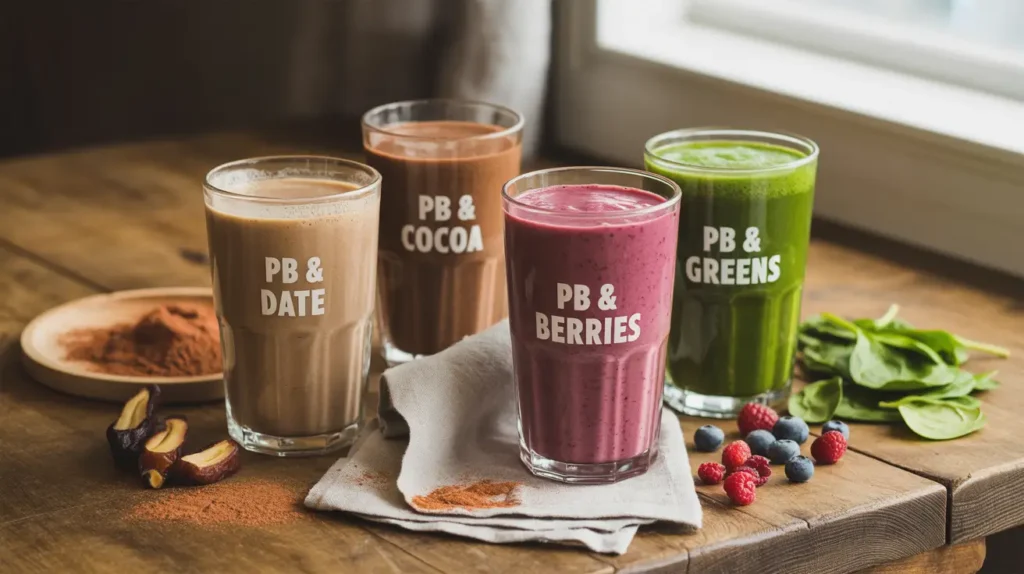
This smoothie is useful for readers who want peanut butter flavor without using banana. The published recipe estimates approximately 16 to 20 grams of protein per serving, depending on the yogurt, milk, and add-ins selected. Different ingredient brands can change the result.
Best use: Make it your main breakfast when you prefer something drinkable, or pair the published serving with another protein-rich food after checking both portions.
Warm and Savory High-Protein Breakfasts
Baked Cottage Cheese Eggs
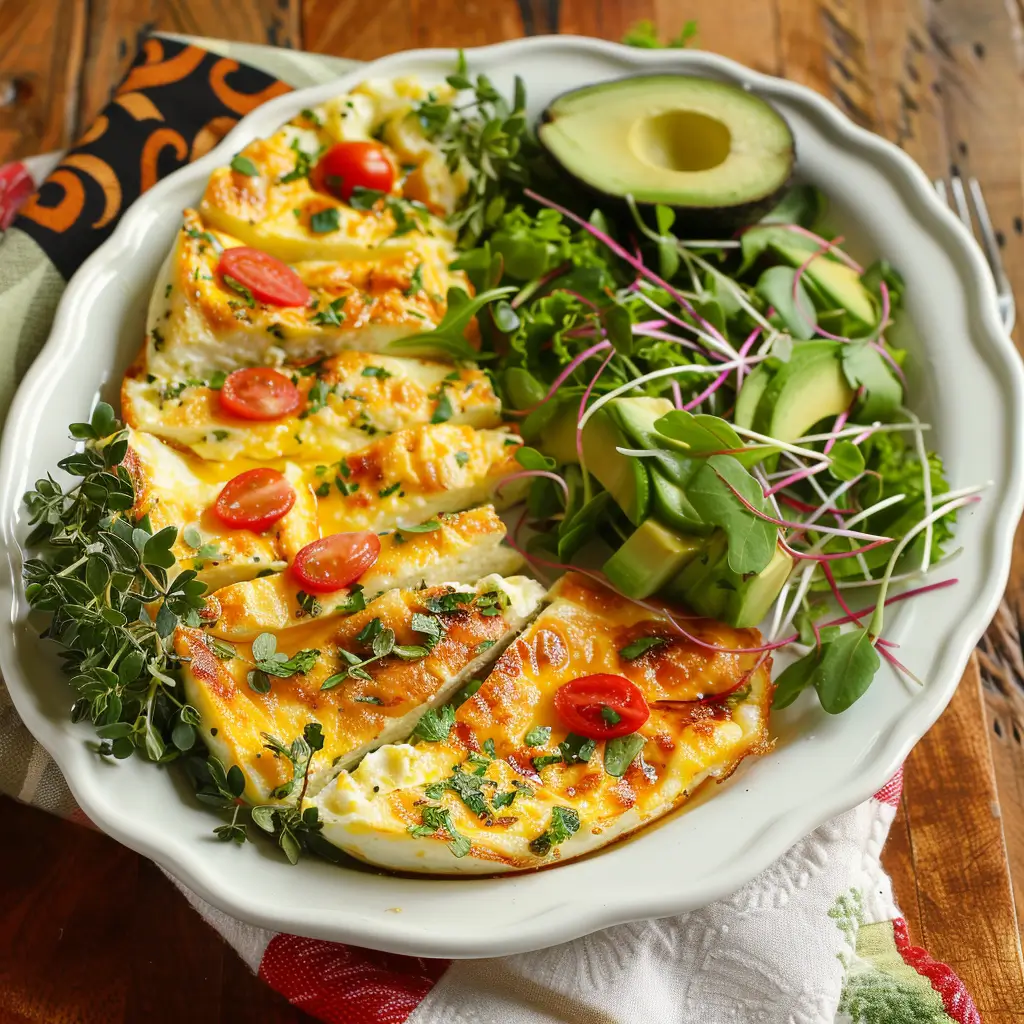
Baked cottage cheese eggs combine eggs and cottage cheese in a warm breakfast that can be cut into portions. This is a useful savory option when you want a dish rather than a smoothie, bowl, or pancake.
The current nutrition calculation for this recipe should be reviewed before an exact protein value is repeated in this roundup. Use the recipe card for the serving size, then calculate the ingredients and any sides separately.

Protein Bagels
Protein bagels give you a flexible base for either sweet or savory toppings. The published guide includes several versions and lists approximately 10 to 19 grams of protein per bagel, depending on the recipe selected.
Calculate the full breakfast separately because spreads, eggs, cottage cheese, yogurt, and other toppings change the final total. The bagel serving and the completed meal are not the same nutrition calculation.
A simple savory breakfast formula
- Choose one published breakfast recipe as the base.
- Add fruit or vegetables for variety if they suit the recipe.
- Add a second protein source only when your calculated serving needs it.
- Count sauces, spreads, toppings, and drinks separately.
High-Protein Pancakes, Waffles, and Muffins
Banana Cottage Cheese Pancakes
These pancakes use banana and cottage cheese for a soft breakfast with familiar flavor. The published recipe lists approximately 18 grams of protein per serving before toppings. Keep the serving size consistent when comparing it with other recipes.
If you add yogurt, cottage cheese, milk, or another side, calculate that item separately rather than changing the recipe estimate.
Protein Waffles
Protein waffles are a useful option when you prefer a crisp breakfast base. Follow the published recipe for its serving size and ingredient amounts. Because powders, milk, toppings, and waffle size can vary, use the current recipe card instead of applying a number from another waffle recipe.
Greek Yogurt Pancakes
Greek yogurt pancakes offer another warm breakfast choice for readers who enjoy pancakes but want a yogurt-based recipe. The final protein total depends on the yogurt, flour, serving size, and toppings used in the published recipe.
Use these as an alternative to banana cottage cheese pancakes when you want a different texture or flavor profile without changing the overall breakfast format.
Blueberry Protein Muffins
Blueberry protein muffins are the most portable option in this collection. They can work well when you need a baked breakfast that is easy to portion, but the current protein estimate should be reviewed before an exact value is used in this roundup.
Check how many muffins the recipe produces, how many muffins make one serving, and whether your ingredient substitutions change the original calculation.
How to Build a Breakfast Around Your Protein Target
Instead of assuming every recipe reaches the same number, build the meal in three clear steps.
1. Start with the published serving
Use the serving listed in the recipe card. One muffin, one bagel, one pancake, and one slice are not automatically complete servings.
2. Check the main protein ingredients
Read the labels on yogurt, cottage cheese, milk, protein powder, nut butter, and other packaged foods. Two brands of the same ingredient can provide different amounts.
3. Add only what the meal needs
If the calculated serving is below your preferred target, add a separate protein-rich side such as eggs, plain Greek yogurt, cottage cheese, or milk. Count that side independently so the final total remains clear.
| Base breakfast | Optional pairing | What to verify |
|---|---|---|
| Overnight oats | Greek yogurt or milk used in the recipe | Brand, portion, and toppings |
| Peanut butter smoothie | An egg or a separate yogurt serving | Smoothie variation and side portion |
| Banana cottage cheese pancakes | Plain Greek yogurt or cottage cheese | Pancake serving and topping amount |
| Protein bagel | Eggs, cottage cheese, or yogurt | Bagel version, filling, and serving |
| Blueberry protein muffins | Yogurt or milk | Muffin yield and number eaten |
A Flexible 7-Day High-Protein Breakfast Plan
This plan gives you variety without promising the same protein total every day. Use the serving size from each linked recipe and adjust the meal with a separate protein-rich side only when needed.
| Day | Breakfast | Simple planning note |
|---|---|---|
| Day 1 | High-Protein Overnight Oats | Prepare the recipe serving and keep optional toppings measured separately. |
| Day 2 | Baked Cottage Cheese Eggs | Use the recipe serving and add fruit or vegetables if desired. |
| Day 3 | Peanut Butter Smoothie Without Banana | Choose one published variation and calculate any side separately. |
| Day 4 | Banana Cottage Cheese Pancakes | Use the published serving before adding yogurt or other toppings. |
| Day 5 | Protein Waffles | Count toppings separately and avoid borrowing numbers from another waffle recipe. |
| Day 6 | Protein Bagel Breakfast | Choose the bagel version first, then calculate fillings and sides. |
| Day 7 | Greek Yogurt Pancakes | Use the current recipe card and adjust the meal according to the serving. |
Easy swap: Replace any pancake or waffle day with blueberry protein muffins when you need a more portable breakfast. Confirm the muffin serving before comparing totals.
Meal-Prep and Storage Tips
Different breakfasts require different storage methods, so one rule should not be applied to every recipe. Follow the storage directions on the individual recipe page and use the following habits to keep your routine organized.
- Cool cooked foods as directed before placing them in covered containers.
- Store toppings separately when moisture would change the texture.
- Label prepared food with the date.
- Reheat only the portion you plan to eat.
- Do not rely on a storage time from a different recipe.
- Discard food that shows an unusual odor, appearance, or texture.
Helpful equipment for this breakfast routine
Useful tools may include jars with lids for overnight oats, a blender for smoothies, a nonstick skillet or griddle for pancakes, a waffle maker, a muffin pan, covered meal-prep containers, measuring cups, and a kitchen scale. Choose equipment that matches the recipes you actually make.
Frequently Asked Questions
What counts as a high-protein breakfast?
There is no universal breakfast number that fits everyone. This guide uses about 20 grams per meal as a practical editorial target. Calculate your own meal from the recipe serving, ingredient labels, toppings, and side dishes.
Can I make a high-protein breakfast without protein powder?
Yes. Eggs, Greek yogurt, cottage cheese, milk, soy foods, nuts, and seeds can contribute protein without powder. The amount depends on the foods and portions you choose.
What are some high-protein breakfasts without eggs?
Overnight oats and the peanut butter smoothie are the clearest egg-free starting points in this collection. Check every recipe ingredient list if you avoid eggs, especially baked foods and packaged ingredients.
Which breakfasts can I prepare ahead?
Overnight oats are designed for advance preparation, while baked breakfasts may be portioned according to their individual recipe directions. Follow the storage guidance on each recipe page rather than using one timeline for every food.
How do I calculate the protein in my breakfast?
Start with the number of servings in the recipe, calculate the serving you are eating, then add the values for toppings, drinks, and sides. Use the nutrition labels on the exact products in your kitchen when precision matters.
Choose the Breakfast You Will Actually Make
The best breakfast plan is one that fits your schedule, ingredients, and preferred portions. Start with one of the eight recipes above, use its current recipe card, and build the rest of the meal from clearly measured foods. That approach is more useful than assuming every breakfast reaches the same protein number.