If you want the bold tomato-and-chile flavor of El Pato without relying on the can, this homemade version is a smart place to start. It is smooth, spicy, easy to adjust, and ready in about 30 minutes with simple pantry ingredients.
This is not a factory-exact clone. It is a homemade El Pato-inspired sauce designed to get close to the original flavor profile while tasting fresher and giving you more control over heat, salt, and texture. Use it on tacos, enchiladas, eggs, rice bowls, burritos, or anywhere you want a quick tomato-based kick.
Quick answer
Homemade El Pato sauce is a smooth, spicy tomato sauce made with tomatoes, chilies, onion and garlic seasoning, a little acid, and a short simmer. The result is a flexible red sauce that works as a topping, cooking sauce, or base for other meals.
At a Glance
30 minutes
Tomato-forward, spicy, smooth
Tacos, enchiladas, eggs, rice bowls
Easy to adjust
Refrigerate 3 to 4 days; freeze for up to 3 months.
For more Mexican-inspired recipes, visit our other popular sauces like Homemade Green Enchilada Sauce and Mexican Hot Sauce Recipe.
Some links on this page are affiliate links. As an Amazon Associate I earn from qualifying purchases.
What Is El Pato Sauce?
El Pato is a tomato-based hot sauce known for a smooth texture, medium heat, and a simple savory profile built around tomato, chili, onion, garlic, salt, and spices. The official ingredient profile emphasizes tomato puree, water, chili, salt, onion, garlic, and spices, which is why this homemade version stays focused on that same general direction instead of piling on too many extra flavors.
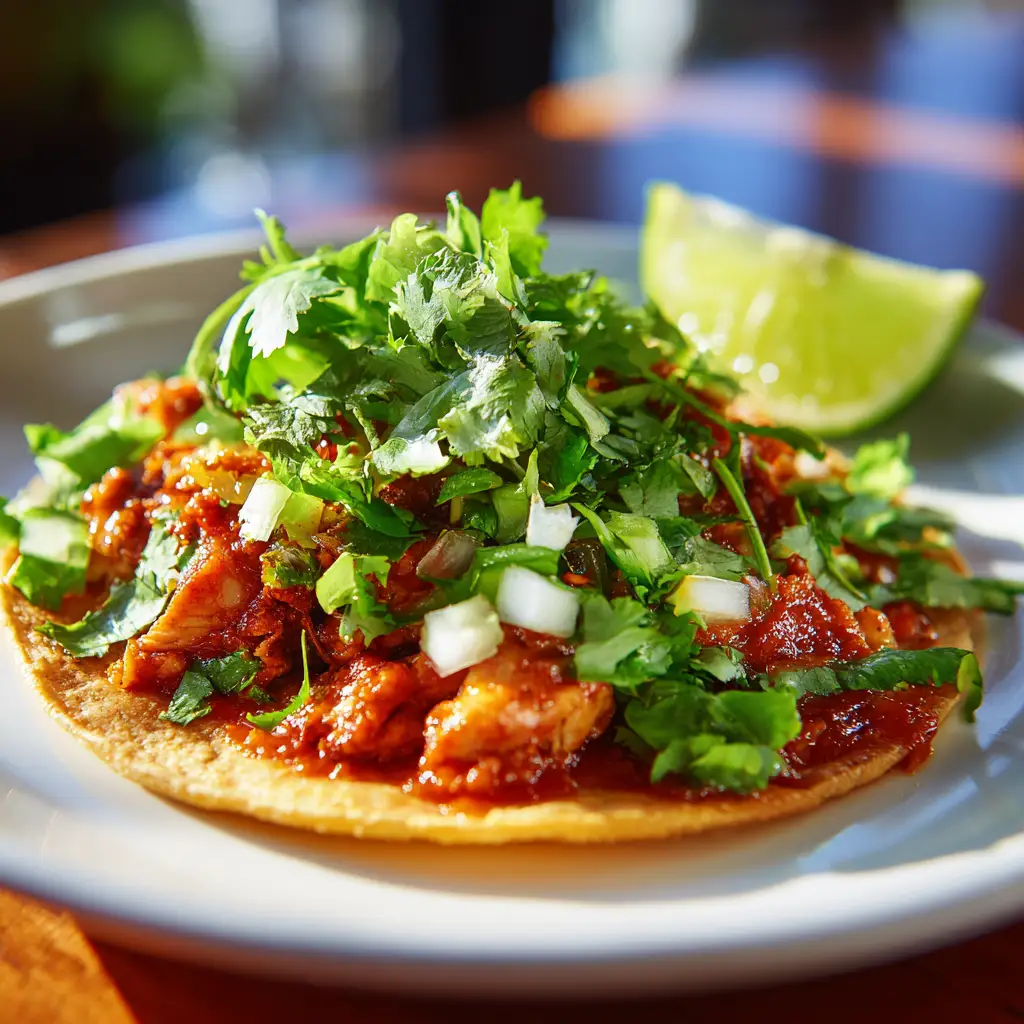
That simple flavor profile is exactly why the sauce works in so many dishes. It adds heat and body without turning everything into a heavy salsa or a thick pasta sauce. It is one of those pantry-style sauces that can go on eggs in the morning, tacos at lunch, and enchiladas or rice later in the day.
Why make this copycat at home?
There are three good reasons to make it yourself.
- First, you can control the heat. Some people want a smoother mild version for weeknight dinners, while others want a sharper chile edge. This recipe lets you do either without changing the basic method.
- Second, you can control the texture. A quick blend gives you that smoother, pourable consistency that makes El Pato-style sauce so useful.
- Third, you can control the salt and acid. That matters if you want a fresher-tasting sauce that still has enough brightness to cut through rich foods like cheese, eggs, or grilled meat.
El Pato Sauce Copycat Ingredients
You do not need a long ingredient list here. In fact, keeping it tighter gives you a more believable copycat.
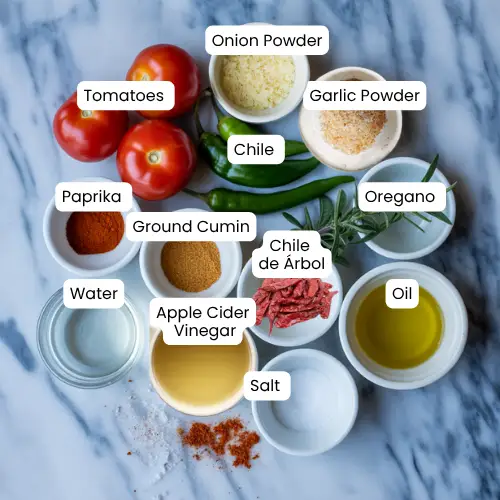
- 1 tablespoon neutral oil
- 3 cups canned tomatoes or tomato puree
- 2 chile de árbol peppers or 1 to 2 jalapeños
- 1 teaspoon onion powder
- 1 teaspoon garlic powder
- 1/2 teaspoon ground cumin
- 1/2 teaspoon paprika
- 1/2 teaspoon salt, plus more to taste
- 1/2 cup water
- 1 tablespoon apple cider vinegar
- 1/2 teaspoon sugar, optional
Why these ingredients work
Tomatoes are the backbone. For a closer pantry-style result, canned tomatoes or tomato puree usually work better than fresh tomatoes because they give you deeper color and a more consistent base.
Chile de árbol gives a cleaner, sharper heat. Jalapeño gives a rounder, milder version. Onion powder and garlic powder help mimic that cooked, blended sauce profile without adding chunks. A little cumin and paprika bring warmth, but the key is restraint. This recipe should still taste like a spicy tomato sauce first.
The vinegar is there for brightness, not to make it taste sour. The optional sugar is only for balance if your tomatoes run acidic.
Easy Swaps for Your El Pato Copycat Sauce
If you want to keep the flavor close to the original, stay conservative with swaps.
Use canned tomato puree for the smoothest texture. Use crushed tomatoes if that is what you already have. Swap jalapeño for chile de árbol if you want less heat. If you want a smokier version, add a very small pinch of smoked paprika, but do not overdo it or the sauce starts drifting away from the El Pato-style profile.
If you need a low-sodium version, start with less salt and add more at the end after blending.
Equipment You’ll Need
This recipe is simple enough for a weeknight.
- Medium saucepan
- Blender or immersion blender
- Measuring spoons
- Airtight jar or container for storage
Step-by-Step: How to Make El Pato Sauce (Copycat)
1. Bloom the seasonings
Heat the oil in a saucepan over medium heat. Add the onion powder, garlic powder, cumin, and paprika. Stir for about 20 to 30 seconds.
You are not trying to brown anything here. You just want to wake up the spices and build a savory base.

2. Add the tomatoes and chilies
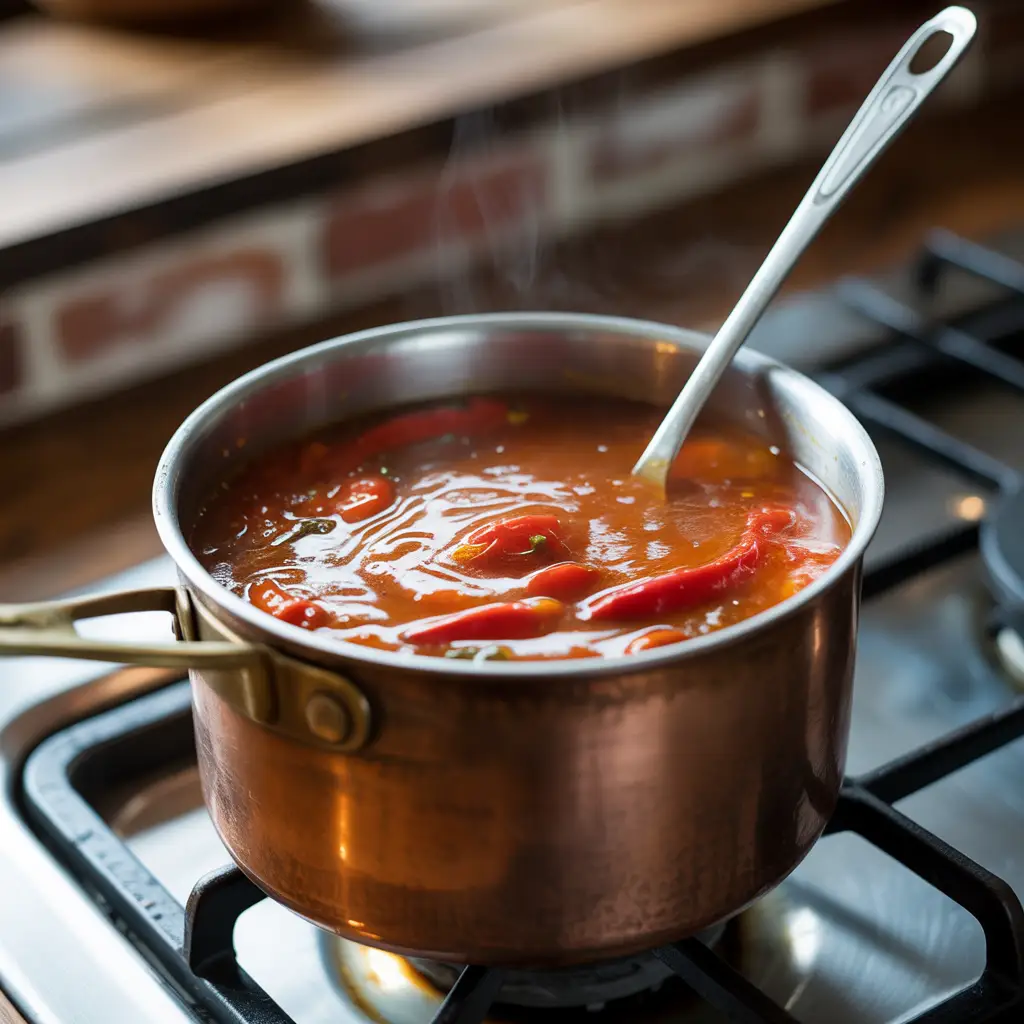
Pour in the tomatoes, water, chilies, salt, vinegar, and optional sugar. Stir well, then bring everything to a gentle simmer.
Let the sauce cook uncovered for about 10 minutes. This gives the chilies time to soften and lets the flavors start blending without reducing too aggressively.
3. Blend until smooth
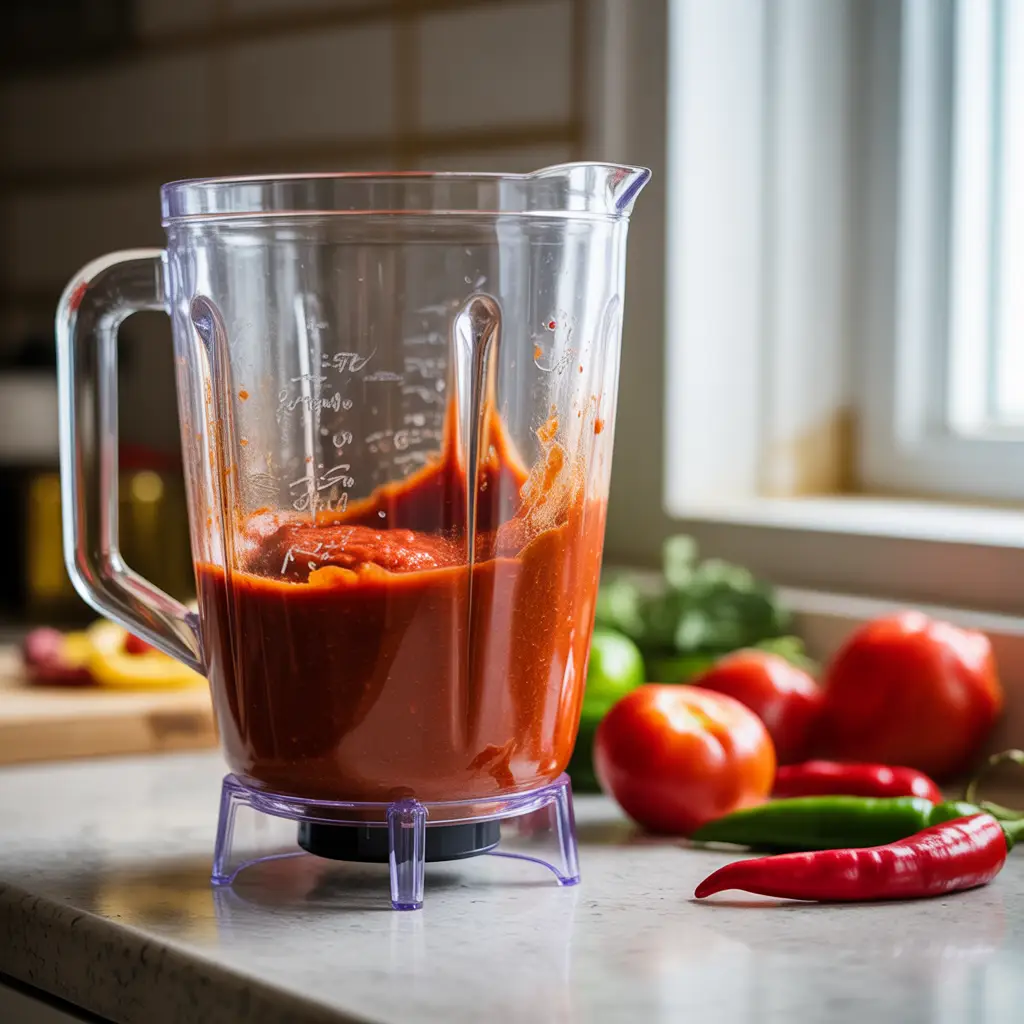
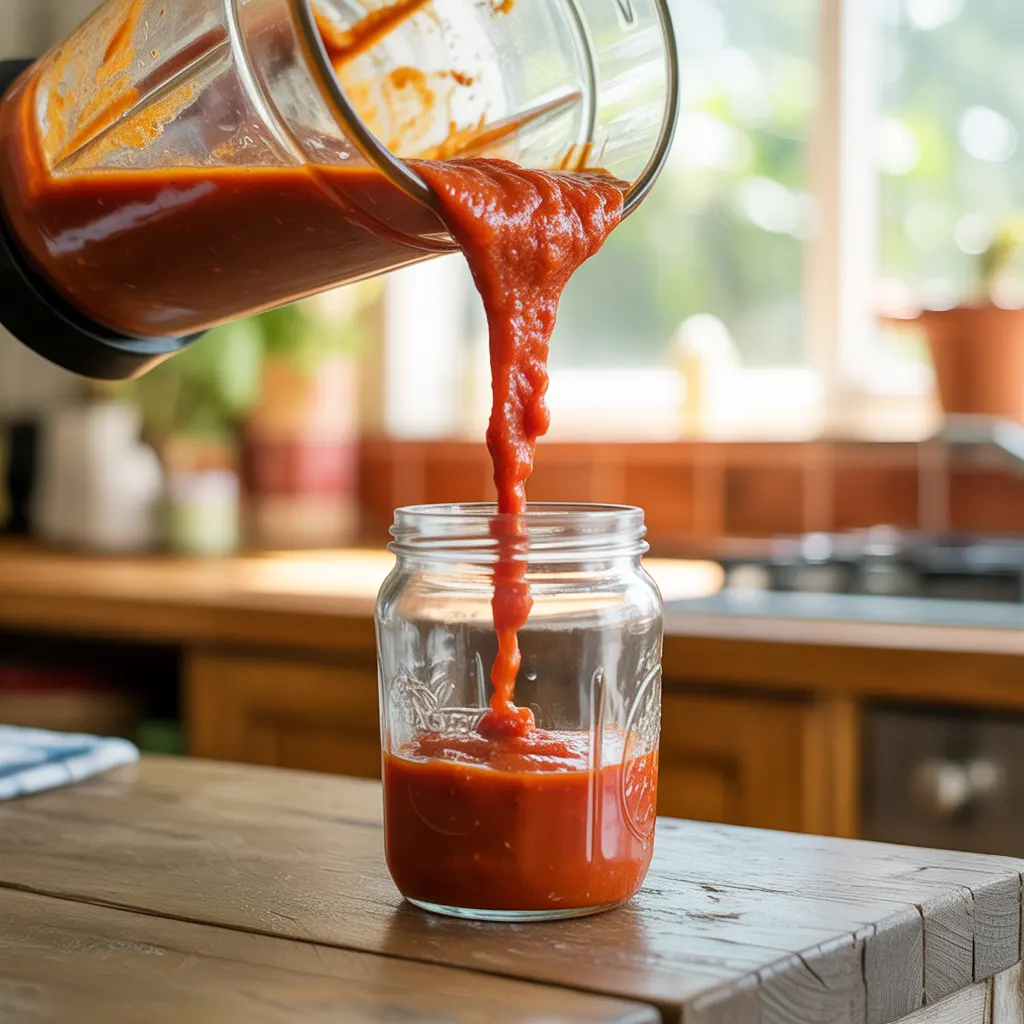
Use an immersion blender right in the pan, or carefully transfer the sauce to a blender. Blend until smooth.
If you want a silkier finish, push the blended sauce through a fine mesh strainer. That step is optional, but it helps if you want a more pourable, can-like texture.
4. Adjust the flavor
Return the sauce to low heat. Taste it.
If it needs more heat, add another chile or a pinch of red pepper. If it tastes flat, add a small splash of vinegar. And if it tastes too sharp, add a little more tomato and let it simmer a few minutes longer.
For more insight into how tomato acids react during cooking, you can consult the National Center for Home Food Preservation, which provides practical details on acidity and stability in tomato-based sauces.
5. Simmer the El Pato Copycat Sauce to Perfection
Cook for another 5 to 10 minutes, stirring occasionally, until the sauce reaches the consistency you want.
It should be smooth, lightly thickened, and easy to spoon or pour. Once it cools slightly, it will thicken a little more.
How close is this to the original?
This recipe is best described as a homemade version inspired by El Pato, not an exact factory duplicate.
What it gets right is the general experience: tomato-forward flavor, smooth texture, moderate heat, and everyday versatility. What it cannot fully reproduce is the exact commercial processing, exact spice ratio, and shelf-stable canned finish.
That is fine. Most readers are not looking for a lab clone. They are looking for a homemade sauce that scratches the same itch and works in the same kinds of meals.
Uses of El Pato Sauce Copycat and Serving Ideas
This is where the recipe earns its place in your kitchen.
Use it over scrambled eggs or fried eggs for a fast breakfast with more flavor. Spoon it into tacos, burritos, or quesadillas when salsa feels too chunky. Stir it into enchilada filling or spoon it over rolled enchiladas before baking. Add a few tablespoons to rice bowls to wake up plain rice, beans, and grilled chicken.
It also works as a quick base for a spicier skillet sauce. Add a little broth, cream, or extra tomato puree depending on where you want to take it.
For additional sauce-based inspiration, explore our Homemade Green Enchilada Sauce and Mexican Hot Sauce Recipe. Both use similar ingredients and techniques, creating a cohesive set of recipes for anyone building their own sauce collection at home.
Flavor El Pato Sauce Copycat Variations (Mild, Smoky, Extra Hot, Roasted)
For a milder sauce
Use jalapeño instead of chile de árbol, and remove the seeds before simmering.
For a hotter sauce
Add an extra chile de árbol or a pinch of crushed red pepper after blending.
For a thinner sauce
Blend in a tablespoon or two of water at the end until the sauce loosens.
For a thicker sauce
Simmer it a few minutes longer uncovered after blending.
If it tastes too acidic
Add a small pinch of sugar or a little more tomato puree.
Storage, Freezing, and Food Safety
Let the sauce cool slightly, then transfer it to a clean airtight container. Refrigerate it within 2 hours and use it within 3 to 4 days for best quality and food safety. Freeze extra portions for up to 3 to 4 months.
If you want shelf-stable storage, do not treat this standard recipe like a canning recipe. Use a tested tomato sauce preservation method instead of improvising a shelf-stable version at home. Tested tomato canning guidance matters because acidity, ingredients, and processing time all affect safety.
When reheating, warm the sauce gently and stir often. If it thickens too much in the fridge, add a spoonful of water and stir until smooth again.
| Storage Method | Container Type | Duration | Reheating Tip |
|---|---|---|---|
| Refrigerator | Glass jar or airtight plastic | for 3 to 4 days | Heat gently on stove |
| Freezer | Freezer-safe container | for up to 3 months | Thaw in fridge overnight |
| Room Temperature | Not recommended | N/A | N/A |
Troubleshooting (Fixing Common Issues)
Even simple sauces can go slightly off the first time. The good news is that most El Pato-style sauce problems are easy to fix with a small adjustment.
The sauce is too thin
Let it simmer uncovered for a few more minutes so extra moisture can cook off. Stir occasionally to prevent sticking. If it still feels too loose, blend in a little more tomato puree and simmer again until the texture thickens.
The sauce is too thick
Add water 1 tablespoon at a time, stirring well after each addition, until the sauce loosens to a smoother, pourable consistency. Warm it gently while adjusting so everything blends evenly.
The sauce is too spicy
Add more tomato puree or a few tablespoons of canned tomatoes to soften the heat without changing the overall flavor too much. A small pinch of sugar can also help balance sharp heat, but do not add too much or the sauce may taste flat.
The sauce is too mild
Add another chile de árbol, a little jalapeño, or a pinch of crushed red pepper. Simmer for a few more minutes after adding it so the heat blends into the sauce instead of sitting on top.
The sauce tastes too acidic
Add a small pinch of sugar or a little more tomato puree, then simmer briefly and taste again. The goal is balance, not sweetness.
The sauce tastes flat
Flat usually means it needs either salt, acid, or a little more chile. Start with a small pinch of salt. If that does not fix it, add a few drops of vinegar or a little more blended chili.
The texture is not smooth enough
Blend the sauce longer, then strain it through a fine mesh sieve for a silkier finish. This is the easiest way to get closer to that smooth, pourable canned-sauce texture.
The flavor feels too strong after chilling
Cold sauce can taste sharper and thicker straight from the fridge. Let it sit at room temperature for a few minutes, then stir well or warm it gently before serving
Copycat El Pato Sauce vs Original: Comparison Table
Use this quick comparison to see what this homemade version gets close to, where it differs, and which option makes more sense for your kitchen. The original El Pato Hot Tomato Sauce is described by the brand as a tomato-and-chile sauce made with tomato puree, water, chili, salt, onion, garlic, and spices; it is also presented as gluten-free and shelf-stable until opened.
Copycat El Pato Sauce vs Original
Use this quick comparison to see where the homemade version gets close, where it differs, and which option makes more sense for your kitchen.
| Feature | Homemade Copycat El Pato Sauce | Original El Pato Hot Tomato Sauce |
|---|---|---|
| Flavor |
Homemade Fresher, brighter, and easier to adjust based on your heat and salt preference. Best for customization |
Original More consistent, pantry-style tomato-and-chile flavor straight from the can. Best for consistency |
| Texture | Smooth, but the final texture depends on blending and optional straining. | Uniformly smooth and ready to pour. |
| Heat level | Easy to make milder or hotter by changing the chilies. | Fixed heat level with a medium-to-hot profile. |
| Main base | Tomatoes, chilies, onion and garlic seasoning, spices, water, and a little acid. | Tomato puree, water, chili, salt, onion, garlic, and spices. |
| Control over ingredients | High. You control the salt, acidity, texture, and spice level. | Low. The formula is fixed. |
| Storage | Refrigerate and use within 3 to 4 days, or freeze for longer storage. | Shelf-stable unopened, then refrigerated after opening. |
| Convenience | Takes about 30 minutes and a quick blend. | Ready to use immediately. |
| Best for | Home cooks who want a fresher homemade version with more control. | Anyone who wants speed, consistency, and pantry convenience. |
El Pato Sauce Copycat FAQs and Common Questions
This version has a medium heat level, similar in spirit to the original. For a milder sauce, use jalapeño and remove the seeds. For more heat, add extra chile de árbol.
Refrigerate in an airtight container and use within 3 to 4 days. Freeze for up to 3 months.
Yes, this sauce is naturally gluten-free and vegan. It contains only plant-based ingredients, and no thickeners or stabilizers are required. Simply check that your spices and canned tomatoes do not include additives containing gluten.
Use it for tacos, enchiladas, eggs, rice bowls, soups, marinades, or as a quick spicy tomato base.
If you are looking for complementary dishes, our Taco Salad Bowl pair perfectly with this sauce.
If the sauce turns out too spicy, add more tomato puree or a small amount of cream to tone it down. Roasted red peppers also help balance spice while maintaining color and texture.
Yes. Canned tomatoes give you a deeper color and a more consistent year-round result, which makes them a smart option for a closer copycat texture.
No. It is a homemade version inspired by the original. The flavor is fresher and more adjustable, but the ingredient profile and processing are not identical to the commercial product.
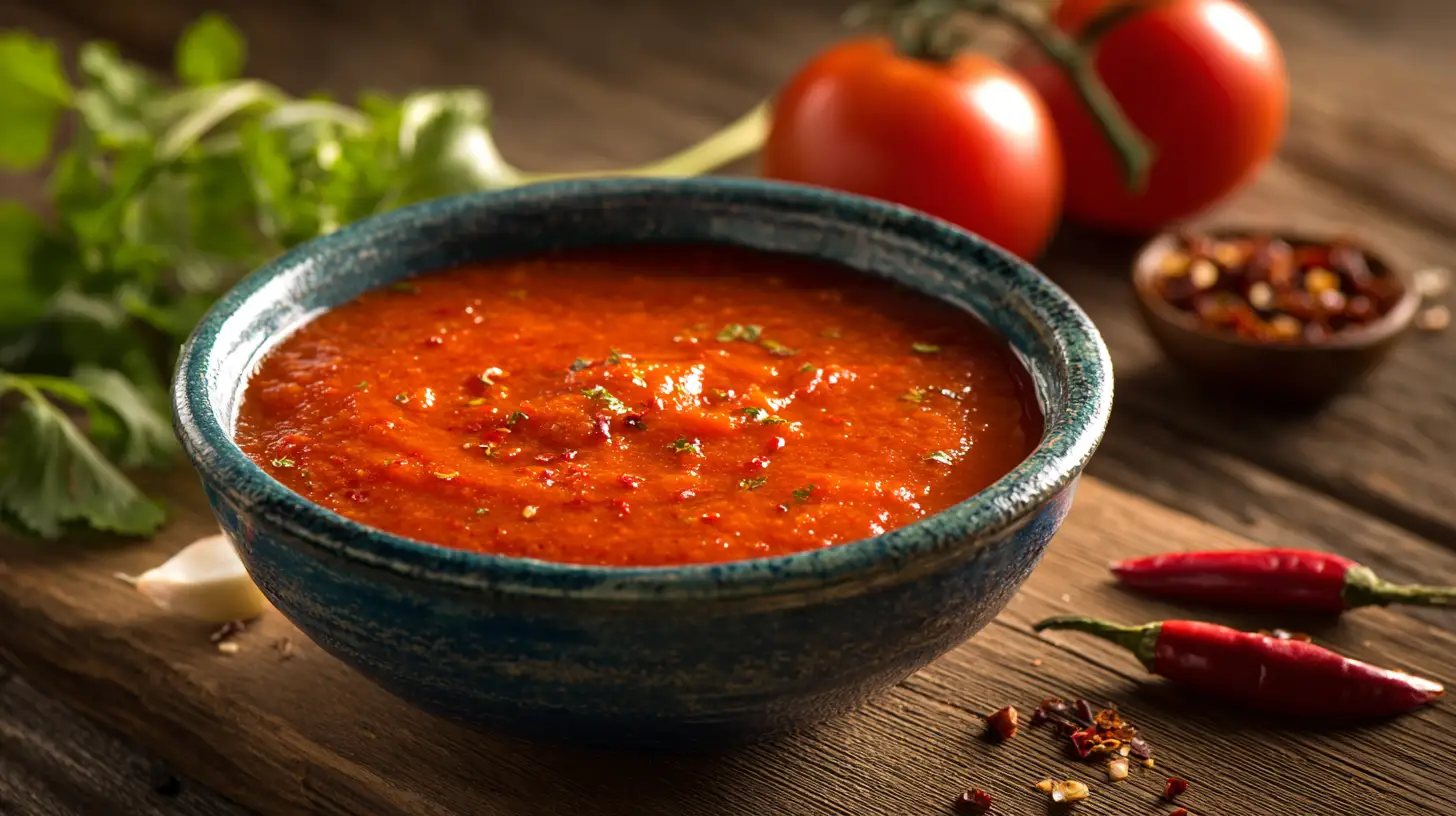

Homemade El Pato Sauce Copycat
Ingredients
Equipment
Method
- Heat the neutral oil in a medium saucepan over medium heat. Add the onion powder, garlic powder, ground cumin, and paprika, then stir for 20 to 30 seconds just until fragrant.
- Pour in the canned tomatoes or tomato puree, water, chile de árbol peppers, salt, apple cider vinegar, and optional sugar. Stir well and bring the mixture to a gentle simmer.
- Cook uncovered for about 10 minutes so the chilies soften and the flavors begin to blend without reducing too much.
- Blend the sauce until smooth using an immersion blender, or carefully transfer it to a blender and blend until silky.
- For an extra smooth, can-like texture, strain the blended sauce through a fine mesh sieve if desired.
- Return the sauce to low heat and taste. Add more chile or a pinch of red pepper for extra heat, a small splash of vinegar for brightness, or a little more tomato puree if the flavor feels too sharp.
- Simmer for another 5 to 10 minutes, stirring occasionally, until the sauce reaches your preferred consistency. It should be smooth, lightly thickened, and easy to pour or spoon.
- Let the sauce cool slightly, then transfer it to an airtight jar or container. Refrigerate within 2 hours and use within 3 to 4 days, or freeze for up to 3 months.
Notes
- For a milder sauce, use jalapeños and remove the seeds.
- For more heat, add an extra chile de árbol or a pinch of crushed red pepper after blending.
- If the sauce is too acidic, add a small pinch of sugar or a bit more tomato puree.
- If it is too thick, thin it with water 1 tablespoon at a time; if too thin, simmer it a little longer uncovered.
- This sauce is naturally vegan and gluten-free when made with suitable pantry ingredients.
Best Recipes to Pair with El Pato Sauce Copycat
One of the best things about this homemade El Pato sauce copycat is how easy it is to use across simple meals. Its smooth texture and tomato-chile flavor make it especially useful when you want more heat and body than salsa, but without a heavy or overly chunky finish.
Here are some of the best ways to use it.
Tacos
This sauce works especially well with tacos because it adds heat and moisture without the chunkiness of fresh salsa. Spoon it over shredded chicken, ground beef, black beans, or roasted vegetables for a smoother finish that coats every bite. If you want a full taco-inspired meal, try it with our Taco Salad Bowl.
Enchiladas
If you want an easy shortcut for enchiladas, this sauce is one of the best places to use it. Pour it over filled tortillas before baking, or stir a little into the filling to add more depth. It also pairs naturally with our Homemade Green Enchilada Sauce if you want to compare red and green enchilada-style flavor profiles.
Eggs
A few spoonfuls over scrambled eggs, fried eggs, or breakfast burritos can completely change a simple breakfast. The tomato base adds richness, while the chile heat gives the eggs more character without needing extra hot sauce.
Rice Bowls
This sauce is also great for rice bowls because it brings everything together fast. Drizzle it over rice, beans, grilled chicken, sautéed peppers, or avocado for an easy meal that tastes more finished with almost no extra work. It fits especially well with our Street Corn Chicken Rice Bowl.
Burritos and Quesadillas
Use it inside burritos for extra flavor or serve it on the side for dipping. It also works well with quesadillas when you want something smoother than salsa and more flavorful than plain sour cream.
Skillet Meals and Quick Sauces
You can also use this copycat sauce as a base. Add it to a skillet with chicken, ground beef, or beans, then simmer for a few minutes to create a fast weeknight sauce for tacos, rice, or loaded tortillas.
Final Thoughts on the El Pato Sauce Copycat Recipe
This homemade El Pato-inspired sauce is quick, flexible, and much fresher than most store-bought options. It works best when you want a smooth, spicy tomato sauce you can adjust to your own taste.
Make one batch now, use it for tacos or enchiladas this week, and freeze extra portions for an easy shortcut later.
Use this copycat sauce on tacos, enchiladas, eggs, or rice bowls this week, then freeze a second batch for an easy shortcut later.