
White Balsamic Vinaigrette
White balsamic vinaigrette is a bright, sweet, and mild dressing that works on many dishes. It gives you the sweet-tart flavor of balsamic without the dark color that can weigh down a salad. This version stays light and golden, so your greens and veggies still look fresh on the plate.
In this guide, you’ll see exactly how to make a simple white balsamic vinaigrette recipe from scratch, plus easy variations: creamy, lemony, sweeter, or lighter. You’ll also find ideas for using it on salads, roasted vegetables, grain bowls, and even as a quick marinade.
If you enjoy light, flexible dressings, you might also like our Greek Yogurt Dressing and Tahini Sauce for more easy homemade sauce ideas.
Key Benefits of White Balsamic Vinaigrette
White balsamic vinaigrette has a few standout qualities that might draw you in if you are searching for a versatile dressing or sauce. Below are some of its main advantages:
Light Color and Delicate Taste
If you want a dressing that does not overpower the look of a salad, white balsamic vinaigrette is your friend. Its pale gold appearance and slightly fruity taste make it a top choice for lighter salads or dishes where you want the colors of the food to shine through. In many places, you might see a “white balsamic vinaigrette salad” on a restaurant menu for exactly this reason.
Easy to Make
At its core, this dressing is just a blend of vinegar, oil, plus optional seasonings. That means it is quick to put together in a home kitchen, which is perfect for busy cooks. If you know how to whisk or stir, you can whip up a batch in a few minutes. Compared to many bottled white balsamic vinaigrettes, a homemade version is fresher and easy to customize.
Friendly for Different Diets
A basic version contains little or no added sugar, so it can be helpful for those watching sugar intake. You can also add or remove items to fit your dietary style. If you eat gluten-free, for example, you can make sure your vinegar and other seasonings are gluten-free. If you want a vegan version, skip honey and use a vegan sweetener instead.
Flexible Flavor
You can do many things with a single base recipe. For a “lemon white balsamic vinaigrette,” stir in a splash of fresh lemon juice. For a “sweet white balsamic vinaigrette,” add more honey or maple syrup. If you like more bite, add a bit of mustard or even a pinch of cayenne. This recipe can also be turned into a “creamy white balsamic vinaigrette recipe” by stirring in a spoonful of plain yogurt, sour cream, or mayonnaise. Some folks like to keep the dressing light and thin, while others prefer a richer, thicker sauce.
Low in Calories (Depending on Ingredients)
Oil and vinegar are the base of most vinaigrettes. Vinegar brings the tang with almost no calories, while oil adds flavor, texture, and fat. By keeping the amount of oil reasonable and not overdoing the sweetener, you can make a white balsamic vinaigrette that fits your calorie and nutrition goals. Because you are making it at home, you decide exactly how much oil and honey to use, so you can keep the dressing as light or as rich as you like.
Versatile Uses
While salad dressing is the main use, white balsamic vinaigrette is great for marinating chicken, fish, or tofu. Some folks drizzle it on grilled vegetables or fruit for a touch of sweetness. Searching “white balsamic vinaigrette uses” will reveal many ideas. Some restaurants and grocery stores sell ready-made white balsamic vinaigrette, but making your own lets you adjust the flavor to your meal. For a homemade approach, though, you can’t beat the taste and freedom that come with mixing it yourself.
White Balsamic Vinaigrette Ingredients
To make the best white balsamic vinaigrette recipe, you only need a few basic items. Think of these as a springboard. Once you know the basics, you can experiment. The following list outlines both the must-have and optional ingredients:
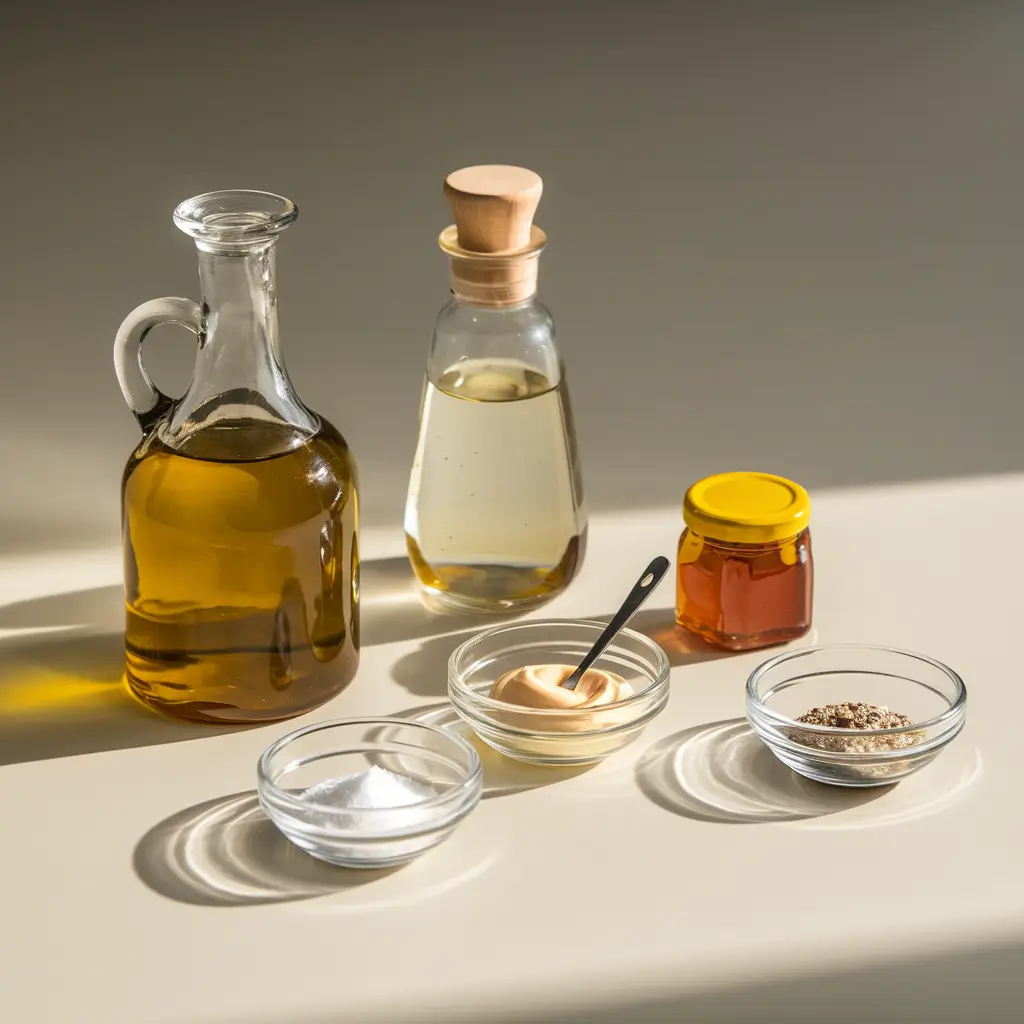
Where to buy white balsamic vinegar
You can find white balsamic vinegar in most large grocery stores, usually in the same aisle as regular balsamic and other vinegars. Big retailers and warehouse clubs often carry it under national or store brands, sometimes labeled “white balsamic” or “golden balsamic.” If your local shop does not have it, check specialty food stores or order it online, then use it as the base for this homemade white balsamic vinaigrette.
Olive Oil
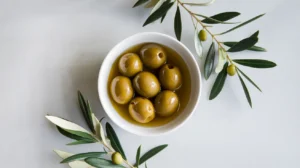
Extra Virgin Olive Oil (EVOO) offers a deeper flavor, but light olive oil or even avocado oil can also work if you prefer a less intense taste. For the best flavor, use a high-quality extra virgin olive oil like the ones featured in our EVOO guide.
Sweetener
Many folks use honey or maple syrup. To keep your dressing vegan, pick a sweetener like agave. If you want a healthy white balsamic vinaigrette recipe, you can choose to add less sugar or honey, or skip it altogether if you like the sharper bite.
Mustard
Mustard helps bind the oil and vinegar, so your dressing won’t separate as quickly. Dijon mustard is a common choice because it has a nice tang. Some prefer brown or stone-ground mustard, which brings a more rustic touch.
Garlic or Shallots (Optional)
Adding minced garlic or shallots creates a more fragrant dressing. Some people also enjoy “white shallot balsamic vinaigrette.” The shallots add a gentle onion flavor that pairs nicely with the sweet vinegar.
Salt and Pepper
Seasoning is up to your taste. Start small, then adjust after you taste it. If you want a spicier kick, consider red pepper flakes or a hint of chili.
Creamy Element (Optional)
If you like a “creamy white balsamic vinaigrette recipe,” stir in a spoonful of mayonnaise, Greek yogurt, or sour cream. That extra thick layer makes it smoother and clings to lettuce leaves better.
Citrus Zest or Juice (Optional)
A splash of lemon juice can brighten the dressing. Some folks add orange juice for an “orange white balsamic vinaigrette” that pairs well with fruit salads.
These items form the foundation for many white balsamic vinaigrette variations. If you see a copycat “longhorn white balsamic vinaigrette recipe” or a “Panera” style version, it likely uses a mix of these core components, plus special flavor twists like herbs or more sweetener. The “best white balsamic vinaigrette recipe” is the one that meets your personal tastes. Adjust each item as you learn what you enjoy.
Store-Bought vs Homemade White Balsamic Vinaigrette
If you are short on time, store-bought white balsamic vinaigrette can be a handy shortcut. Bottled dressings are easy to keep in the fridge and work when you need something you can pour and serve right away.
Homemade white balsamic vinaigrette gives you more control. You choose the oil, adjust the sweetness, and skip extra additives. You can also decide whether you want a light, pourable dressing or a creamier version with yogurt or mayonnaise.
Plain white balsamic vinegar is available in most larger grocery stores and online. Once you have a bottle, you can use this recipe to turn it into a fresh, custom dressing that fits your taste.
How to Make White Balsamic Vinaigrette
Below is a step-by-step process for making a basic version at home. The measurements can be scaled to meet your needs. This recipe yields around one cup of dressing:
Gather Your Tools
- A small bowl or jar with a tight lid
- A whisk or fork
- Measuring spoons and cups
Measure Your Ingredients
- 1/4 cup white balsamic vinegar
- 3/4 cup extra virgin olive oil
- 1 to 2 teaspoons honey or sweetener of choice
- 1 teaspoon Dijon mustard
- 1/4 teaspoon salt (add more if needed)
- 1/4 teaspoon pepper (black pepper or a pepper mix)
- Optional extras: 1 clove finely minced garlic or half a shallot, chopped
Combine the Base Items
Start by pouring the vinegar into your bowl or jar. Add the mustard, sweetener, salt, pepper, and any minced garlic or shallot.
Stir or Whisk
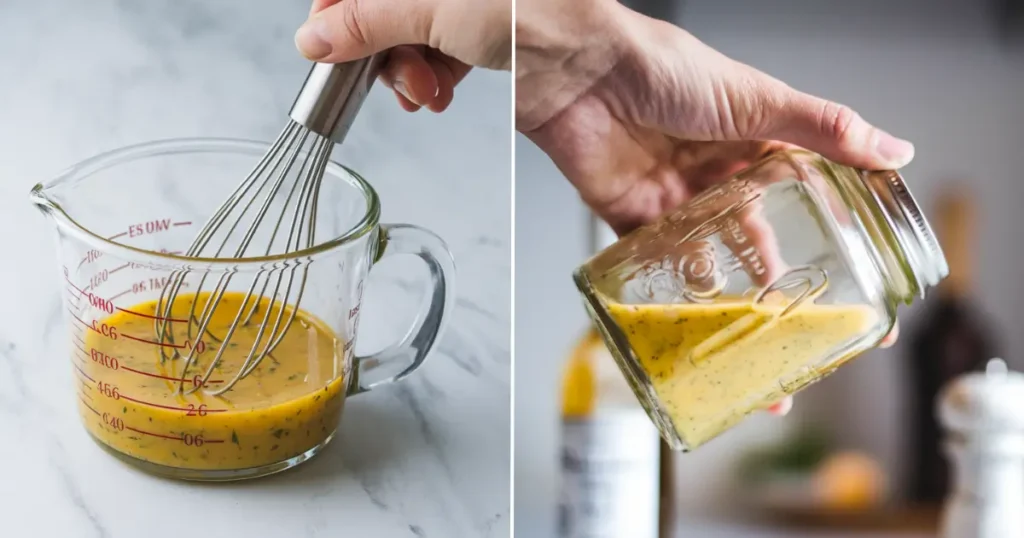
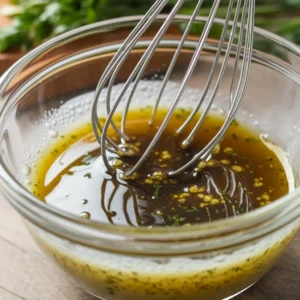
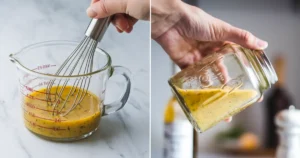
Whisk everything to blend. If you are using a jar, you can close it and shake it vigorously. This step helps the vinegar, mustard, sweetener, and seasonings mix thoroughly.
Add the Oil Slowly
Continue whisking while you drizzle the olive oil in a thin stream. By pouring it slowly, you help the oil and vinegar come together and form a smooth vinaigrette. If you add the oil too fast, the dressing might separate quickly. Shaking in a sealed jar is another easy way to combine them well.
Taste and Adjust
Once the mixture looks smooth, taste a small spoonful. You might decide it needs another pinch of salt, a bit more honey, or a drop more vinegar. If you prefer a thicker dressing, add a spoonful of mayonnaise or Greek yogurt and whisk again. If you like it thinner, mix in a small amount of water or more vinegar.
Store Properly
Transfer the dressing to a clean glass jar or airtight container. Keep it in the fridge for up to one week. You may want to let it reach room temperature and shake it before each use. Over time, the oil may thicken or separate, but a quick stir brings it back to a smooth texture.
Enjoy
Drizzle your fresh balsamic vinaigrette over leafy greens, roasted veggies, or anything else you like. Some people keep a small container at work so they can add a homemade touch to lunch salads. Others use it as a marinade for grilled chicken or fish. There are many tasty ways to experiment with this dressing.
Pro Tips and Variations
Now that you know the basic white balsamic vinaigrette ingredients and method, here are some ways to make it your own. This section can guide you toward slight changes or big adjustments:
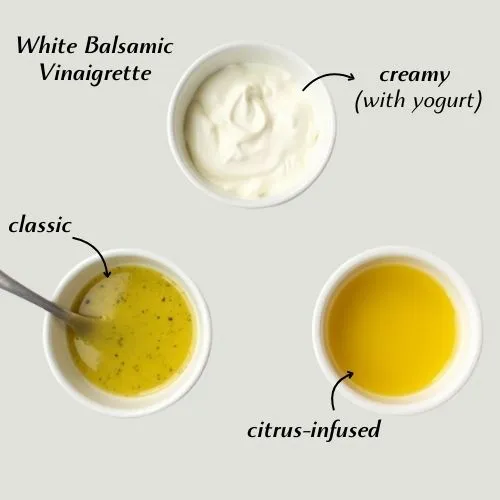
Creamy White Balsamic Vinaigrette
Blend one or two tablespoons of mayonnaise, Greek yogurt, or sour cream in your vinaigrette. Some people also like to add a small amount of grated Parmesan cheese to boost the flavor and texture.
Lemon White Balsamic Vinaigrette
Replace a small part of the vinegar with fresh lemon juice. The lemon adds brightness, which can be especially good for salads with berries, goat cheese, or walnuts. You can even add some lemon zest for extra zing.
Sweet White Balsamic Vinaigrette
Increase the honey or choose maple syrup. Some folks like to add a dash of fruit juice, such as apple or orange, which lifts the sweetness. This approach works well on salads that have fruits like peaches, strawberries, or grapes.
Herb-Infused
Mix in fresh or dried herbs. Basil, thyme, oregano, or tarragon are classic choices. If you want a strong herb taste, blend the herbs into the dressing and let it sit for a few hours. This also helps the dressing taste even better by dinner time.
Spicy Kick
Add a pinch of cayenne or a splash of hot sauce for a bold twist. This is fun if you enjoy sweet-and-spicy flavors. You can also use a flavored oil, like chili oil, to bring more heat.
Longhorn Copycat or Panera-Inspired
If you enjoy restaurant-style white balsamic vinaigrettes, you can copy that flavor at home by adding a bit more sweetness, extra herbs, or your favorite spice blend. Keep an eye out for dried spice blends, lemon juice, or a particular brand of oil or vinegar.
Healthy White Balsamic Vinaigrette Recipe
To keep it low in calories, reduce the oil slightly and add a bit of water or vegetable broth. You can also pick a smaller amount of sweetener or use a sugar substitute that you trust. Taste often to find the right balance. If you are watching your fat intake, you can also try a half-and-half mix of oil and Greek yogurt.
Lighter Oils
If you want a milder taste, use a neutral oil like canola or grapeseed. This helps the vinegar’s taste stand out more. This is nice if you find olive oil too strong.
Trying any one of these ideas can lead to a brand-new spin on traditional dressing. Feel free to mix and match. The important thing is to taste and adjust as you go.
Serving Suggestions for White Balsamic Vinaigrette
Homemade white balsamic vinaigrette fits many meal plans. Here are several ways to utilize it:
Classic Green Salad
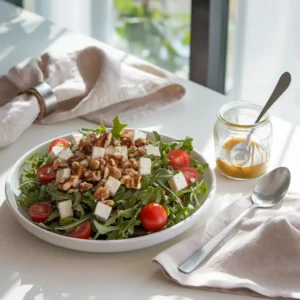
Pour it over fresh lettuce, spinach, or arugula. Add chopped tomatoes, cucumbers, red onion, and a handful of croutons for a simple side salad. This light dressing adds a gentle sweetness and pale golden color, so the greens still look vibrant on the plate. It also pairs perfectly with creamy dishes like our Garlic Parmesan Chicken Pasta for a satisfying meal combination. For another fresh, crunchy side, try our Refreshing Cucumber Tomato Salad Recipe, which also works beautifully with a light white balsamic vinaigrette. For a complete, healthy meal, serve this salad alongside our flavorful Steelhead Trout Recipe.
Grilled Vegetables
Brush zucchini, peppers, and eggplant with your vinaigrette before grilling. The vinegar’s acidity helps the veggies char while staying juicy. You can also drizzle extra vinaigrette on top after cooking.
Fruit Salads
A small amount of sweet white balsamic vinaigrette can boost the flavor of fruit salads. Watermelon, strawberries, or peaches become more vibrant when combined with that gentle tang and sweet note. You might even find “white peach balsamic vinaigrette” variations for summer fruit bowls.
Marinade
Use your dressing as a marinade for chicken, fish, or tofu. Let the protein sit in the vinaigrette for at least 30 minutes, then bake or grill. The vinegar helps tenderize while the oil locks in moisture.
For a full meal idea, you can spoon this vinaigrette over protein-packed bowls like our Street Corn Chicken Rice Bowl or a loaded Taco Salad Bowl.
Pasta Salad
Mix chilled pasta, chopped veggies, and this dressing for a quick lunch or side dish. The sweet and tangy flavor brightens up the noodles. You can add shredded cheese or canned chickpeas if you want more protein.
Sandwich Spread
Spread a little vinaigrette on your favorite sandwich or wrap. It pairs well with turkey, roast vegetables, and soft cheeses. The tangy taste cuts through richer fillings, making it lighter overall.
Roasted Potatoes
Drizzle small potatoes with the vinaigrette before roasting to give them extra flavor. The vinegar’s acidity can help create a crisp coating. Adjust salt if needed. For a sweet and savory side option, try serving them alongside our Sweet Potato Casserole with Frozen OJ & Pecans.
Fruit Salsa
Combine diced fruits like mango, pineapple, or peaches with minced red onions, cilantro, and a splash of your vinaigrette. This salsa can go on top of grilled meats or even with tortilla chips.
Mixed Grain Bowls
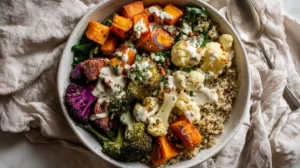
Add a spoonful to bowls full of quinoa, farro, or brown rice. Include roasted vegetables, leafy greens, and seeds or nuts for crunch. A drizzle of vinaigrette ties everything together.
If you love hearty bowls, our Roasted Veggie Grain Bowl and Healthy Salad Bowls are perfect places to use this dressing as a finishing touch.
Using a white balsamic dressing brings sweetness and zing to many dishes, so feel free to test it in creative ways. Some folks even drizzle it on fresh mozzarella or burrata cheese to boost flavor and color contrast without making the dish look heavy.
Conclusion
White balsamic vinaigrette stands out as a dressing that is bright and gentle, rather than dark and intense. It is perfect for people who love the sweet-tart combo of vinegar and oil but want something that does not add a strong color to their meals. From a quick lunch salad to a flavorful marinade, this versatile dressing can meet a range of needs. Making it at home lets you control the ingredients, sweetness, and thickness.
Whether you crave a “creamy white balsamic vinaigrette recipe” or want a tangy sauce with sharp mustard notes, the methods in this article give you a strong start. Try the variations, or customize them until you find your favorite balance of flavor. Add an extra spoonful of lemon juice, and fresh herbs, or try sweeteners like agave. Each twist can result in a whole new taste.
Over time, you might create your very own “best white balsamic vinaigrette recipe” that becomes a go-to for many meals. Homemade dressings tend to have a fresher taste and are often less processed than store-bought ones. Plus, you can control salt, sugar, and oil levels to fit your nutritional goals. The next time you need a quick sauce, remember this simple combination of white balsamic vinegar, oil, sweetener, and seasonings. It is basic, but it can adapt to many dishes.
If you’re building a lighter weekly menu, you can pair this white balsamic vinaigrette with recipes like our Anti-Inflammatory Lemon Blueberry Smoothie or High Protein Breakfast ideas for a balanced day of eating.
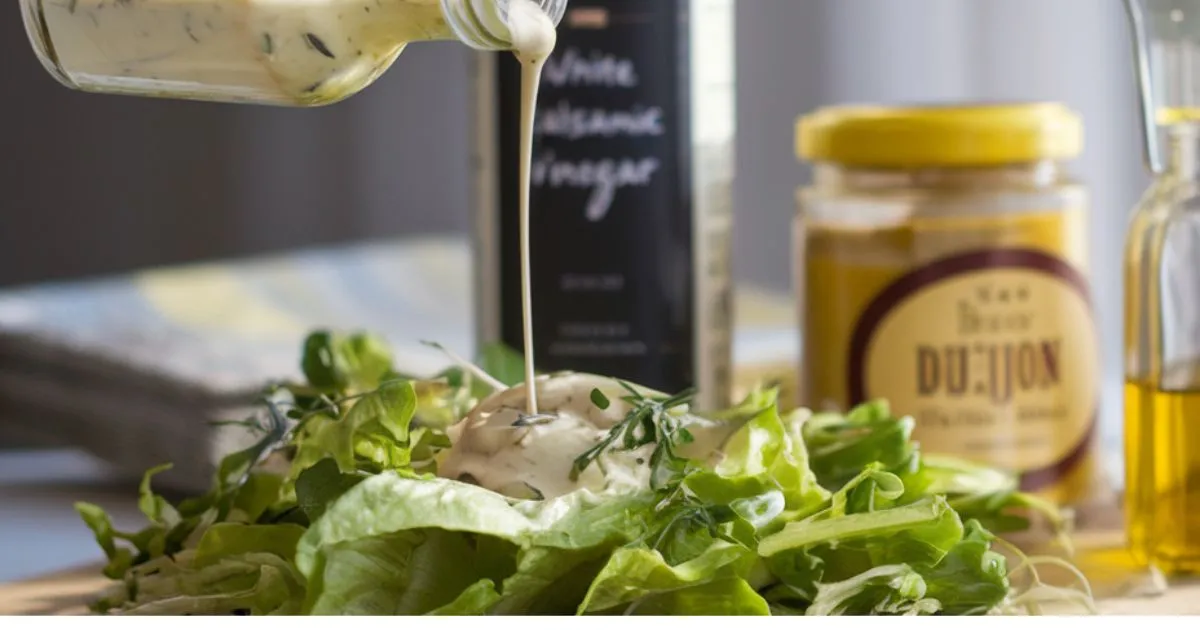

White Balsamic Vinaigrette Recipe – Light, Tangy & Versatile
Ingredients
Equipment
Method
- Prepare the Ingredients: In a small mixing bowl or jar, add the white balsamic vinegar, Dijon mustard, honey, minced garlic, salt, and black pepper.
- Emulsify the Dressing: Slowly drizzle in the olive oil while whisking continuously to create a smooth, creamy emulsion. If using a jar, secure the lid and shake vigorously for 30 seconds.

- Taste & Adjust: Sample the dressing and adjust seasoning as needed. Add more honey for sweetness, lemon juice for brightness, or extra Dijon mustard for tang.

- Store Properly: Transfer the vinaigrette to an airtight container or glass jar and refrigerate for up to 1 week. Shake well before each use.
- Serve & Enjoy: Drizzle over fresh greens, grilled vegetables, or use as a marinade for chicken or fish.
Notes
Nutrition Information (Per Serving – 2 tbsp)
SERVING: 30g | CALORIES: 130kcal | CARBOHYDRATES: 1g | PROTEIN: 0g | FAT: 14g | SATURATED FAT: 2g | CHOLESTEROL: 0mg | SODIUM: 120mg | POTASSIUM: 5mg | FIBER: 0g | SUGAR: 1g | VITAMIN A: 0IU | VITAMIN C: 0mg | CALCIUM: 3mg | IRON: 0.1mgFAQs
White balsamic dressing usually starts with white balsamic vinegar, which is made from white grapes. The dressing mixes vinegar with oil (often olive oil), a small amount of sweetener (like honey or sugar), and optional flavorings such as Dijon mustard, garlic, or shallots. Sometimes people add herbs or extra lemon juice. If you prefer a creamy texture, you can whisk in mayonnaise, yogurt, or sour cream. The core idea is to balance the sweetness, acidity, and fat content to create a dressing that tastes bright yet smooth.
Regular balsamic vinaigrette uses traditional balsamic vinegar, which is deep brown and has a richer sweetness and a bit of tang. White balsamic vinaigrette is made with white balsamic vinegar, which comes from white grapes, and is cooked at a lower temperature. The color stays lighter, and the flavor is milder and fruitier. This gentler taste makes this vinaigrette better for dishes where you want to avoid a dark color or a heavy, syrup-like thickness.
White balsamic vinegar goes through a different cooking process than its darker cousin. It involves lower heat or sometimes pressure cooking, which keeps the vinegar from browning. The result is a fresh-tasting, light-colored vinegar that many people enjoy for salads or delicate dishes. It pairs easily with fruits, herbs, and milder oils, making it a good choice if you want a slightly sweet vinegar that will not overpower other flavors.
For a broader look at how vinegar is used in cooking and what current research says about its potential health effects, you can read this summary from Harvard’s Nutrition Source.
White balsamic vinegar can be used in many ways. It is a key part of this vinaigrette, which is great for salads, roasted vegetables, or even fruit. You can add a small amount to soups or sauces to brighten the taste. Some folks drizzle it over fresh berries, melon, or peaches for a quick dessert. It also helps tenderize proteins, so it works nicely in marinades for chicken, fish, or tofu. If you get creative, you can use white balsamic vinegar to build sweet-savory contrasts in your dishes, like fruit salsa or a glaze for grilled meats.




3 Comments